

How Soil Testing Prevents Foundation Failure: Insights from Denpasar Engineers
Januari 18, 2026 | by Admin

In the dynamic and rapidly developing urban landscape of Denpasar, where construction projects range from small residential villas to large-scale commercial complexes, the importance of soil testing cannot be overstated. Engineers in Denpasar emphasize that soil testing is a critical step in ensuring the stability and longevity of any structure. By understanding the ground beneath a building, engineers can design foundations that are not only safe but also cost-effective and sustainable. This article explores how soil testing prevents foundation failure, drawing on insights from Denpasar’s leading geotechnical experts.
The Role of Soil Testing in Construction
Soil testing is more than just a preliminary step; it’s a foundational element of engineering success. It involves analyzing the physical and chemical properties of the soil to determine its suitability for construction. This process helps identify potential issues such as moisture content, load-bearing capacity, and the presence of contaminants that could affect the integrity of a building. In Denpasar, where the terrain varies from sandy to marshy, this step is particularly crucial.
Engineers in Denpasar often use two primary methods for soil testing: Cone Penetration Testing (CPT) and Standard Penetration Testing (SPT). These tests provide detailed information about soil density, strength, and other critical parameters. CPT involves pushing a cone into the ground to measure resistance, while SPT uses a heavy hammer to drive a sampler into the soil. Both methods offer valuable data that informs the design of the foundation.
Understanding Soil Composition

The composition of the soil significantly influences its ability to support a structure. Different soils—such as sand, clay, silt, and gravel—have varying properties that affect their suitability for construction. For example, sandy soils are known for their excellent drainage abilities but may lack cohesion, while clay soils offer strong cohesion but can pose challenges during periods of moisture fluctuation. In Denpasar, where the soil can be a mix of these types, understanding these characteristics is essential.
Engineers in Denbasar conduct various tests to determine soil composition, including sieve analysis, Atterberg limits, and moisture content tests. These tests help classify the soil and predict its behavior under different conditions. By identifying the type of soil present, engineers can make informed decisions about the necessary foundation design and any required soil improvements.
The Importance of Drainage
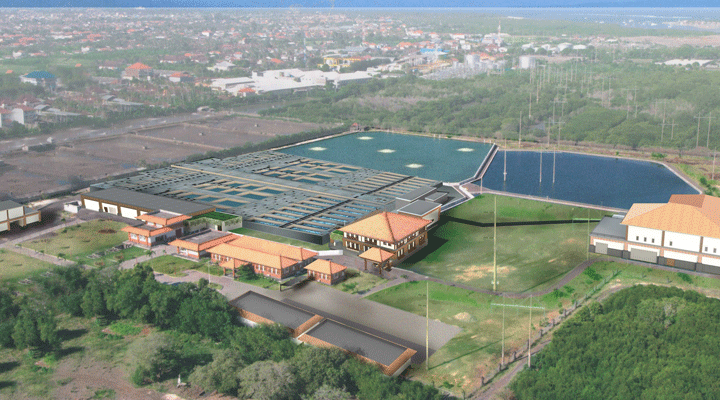
Proper drainage is another critical factor in preventing foundation failure. Soils with poor drainage characteristics can lead to waterlogged conditions, increasing the likelihood of structural damage or foundation settlement. In Denpasar, where heavy rainfall is common, effective drainage solutions are essential. Engineers often recommend the installation of French drains, gravel layers, or drainage tiles to facilitate efficient water flow and prevent accumulation.
By addressing drainage issues early in the construction process, engineers can mitigate the risk of water-related problems that could compromise the foundation. This proactive approach ensures that the structure remains stable and durable over time.
Mitigating the Risks of Expansive Soils
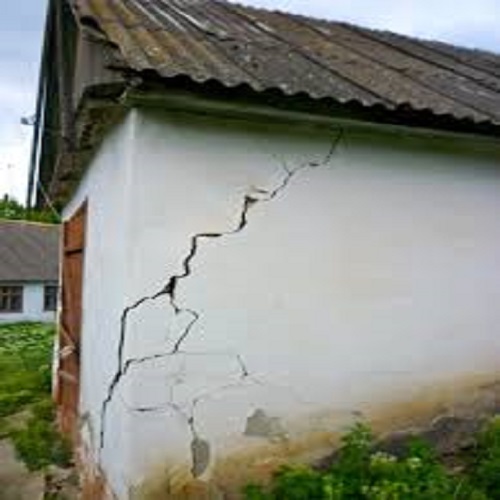
Clay-rich soils, which are prevalent in certain areas of Denpasar, pose a unique challenge due to their tendency to expand and contract with moisture changes. These soil movements can exert significant pressure on a building’s foundation, leading to cracking and structural damage. To mitigate these risks, engineers conduct thorough soil assessments to predict and address potential issues through effective design and construction strategies.
By implementing appropriate design measures, such as using reinforced foundations or incorporating expansion joints, engineers can ensure the durability and longevity of the structure. These strategies are particularly important in regions where expansive soils are a common concern.
Choosing the Right Foundation Type
The results of soil testing directly influence the choice of foundation type. In Denpasar, where soil conditions vary widely, engineers must select the most suitable foundation for each project. For stable red soils, simple strip or pad foundations may suffice, while in areas with black cotton soil, raft or under-reamed pile foundations are preferred. Coastal sandy regions benefit from deep piles or raft systems that spread load evenly.
By tailoring the foundation design to the specific soil conditions, engineers can optimize the structural integrity of the building and minimize long-term risks. This personalized approach ensures that each project is built on a solid and reliable base.
Conclusion
Soil testing is an indispensable part of the construction process in Denpasar. It provides critical information that enables engineers to design foundations that are safe, stable, and cost-effective. By understanding the soil’s properties and potential challenges, engineers can make informed decisions that prevent foundation failure and ensure the longevity of the structure. As Denpasar continues to grow and develop, the role of soil testing in safeguarding the city’s infrastructure will only become more vital.
RELATED POSTS
View all



Perbandingan Jasa Georadar Lokal dan Internasional: Mana yang Lebih Unggul?
April 5, 2026 | by Admin