

How to Maximize Building Safety in Denpasar Using High-Precision SPT Data
Januari 18, 2026 | by Admin

Denpasar, the capital city of Bali, is a hub for both tourism and construction. As the city continues to grow, ensuring building safety has become a critical concern for developers, engineers, and local authorities. One of the most effective ways to achieve this is through the use of high-precision Standard Penetration Test (SPT) data. This article explores how SPT data can be leveraged to maximize building safety in Denpasar, especially given the region’s unique geological conditions.
Understanding the Importance of Soil Testing in Denpasar
Bali’s geology is highly diverse, with soil types ranging from volcanic rock and limestone to sand, alluvial deposits, and clay. Each of these materials presents different challenges when it comes to foundation design and structural integrity. For instance, clay soils are known for their expansive properties, which can cause significant stress on building foundations if not properly accounted for. Similarly, sandy soils found in coastal areas may require special stabilization techniques to prevent erosion.
In Denpasar, where urban development is accelerating, the need for accurate soil testing has never been more urgent. Traditional methods of assessing soil stability often fall short, leading to potential risks such as uneven settling, structural cracks, or even collapse. This is where high-precision SPT data comes into play.
What Is SPT and Why It Matters
The Standard Penetration Test (SPT) is a widely used method in geotechnical engineering to determine the relative density and strength of soil. The test involves driving a split-spoon sampler into the ground using a standard weight and drop height, and recording the number of blows required to advance the sampler 150 mm. This blow count, known as the N-value, provides valuable insights into the soil’s bearing capacity and its ability to support structures.
In Denpasar, where the ground composition varies significantly across different neighborhoods, SPT data allows engineers to create detailed soil profiles. These profiles are essential for designing foundations that are tailored to the specific conditions of each site. By using high-precision SPT data, engineers can avoid overdesigning or underdesigning foundations, which can lead to unnecessary costs or compromised safety.
Applications of High-Precision SPT Data in Denpasar
1. Foundation Design Optimization
High-precision SPT data enables engineers to determine the optimal depth and type of foundation for a given structure. In areas with soft or unstable soil, deep foundations such as piles may be required. In contrast, in regions with dense, compacted soil, shallow foundations may suffice. This targeted approach ensures that buildings are constructed on stable ground, reducing the risk of long-term structural issues.
2. Liquefaction Risk Assessment
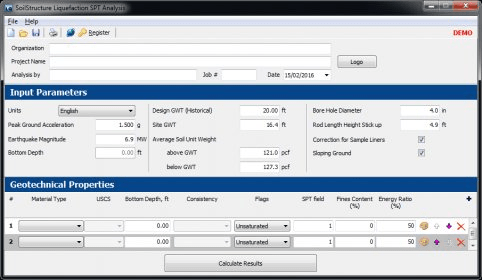
One of the key benefits of SPT data is its ability to assess liquefaction potential—a phenomenon where saturated, loose sands lose strength during an earthquake. In Denpasar, where seismic activity is a concern, understanding the liquefaction risk is crucial. High-precision SPT data, combined with advanced software like LiqIT, helps engineers calculate the factor of safety against liquefaction, allowing them to implement mitigation strategies such as soil improvement techniques or deeper foundations.
3. Cost-Efficient Construction

By providing accurate information about soil conditions, SPT data helps reduce construction costs. Engineers can avoid unnecessary excavation or reinforcement work, which not only saves money but also minimizes environmental impact. This is particularly important in Denpasar, where land availability is limited and sustainable development is a priority.
4. Compliance with Building Permits (PBG)
In Bali, obtaining a Building Permit (PBG) requires a comprehensive geotechnical report. High-precision SPT data plays a vital role in this process, as it provides the necessary evidence of soil stability. Without proper soil testing, projects may face delays or even rejection by local authorities. Therefore, investing in accurate SPT testing is not just a technical necessity but also a regulatory requirement.
Case Studies and Real-World Examples
Several construction projects in Denpasar have demonstrated the effectiveness of high-precision SPT data in enhancing building safety. For example, a large-scale hotel development in the southern part of the city faced challenges due to the presence of alluvial deposits and clay. By conducting detailed SPT tests, engineers were able to identify the optimal foundation design, which included the use of reinforced concrete piles. This approach ensured the stability of the structure and prevented future settlement issues.
Another example is a residential complex built on former rice fields, where expansive clay was a major concern. High-precision SPT data allowed engineers to determine the depth of stable ground and design a raft slab foundation that could withstand the clay’s expansion and contraction cycles. This solution proved to be both cost-effective and durable.
The Role of Expert Geotechnical Services
While SPT testing is a powerful tool, its success depends on the expertise of the professionals conducting the tests. In Denpasar, companies like PT Anggarda Paramita Engineering specialize in providing accurate and reliable SPT and Cone Penetration Testing (CPT) services. Their team of experienced engineers uses state-of-the-art equipment and follows standardized procedures to ensure the highest level of precision.
These experts not only collect and analyze SPT data but also provide actionable recommendations based on their findings. Their reports help developers make informed decisions about foundation design, material selection, and construction methods, ultimately contributing to safer and more resilient buildings.
Conclusion

Maximizing building safety in Denpasar requires a proactive approach that includes thorough soil testing. High-precision SPT data offers a reliable and efficient way to assess soil conditions, enabling engineers to design foundations that are both safe and cost-effective. As Denpasar continues to evolve, the integration of advanced geotechnical practices will play a crucial role in ensuring the longevity and stability of its infrastructure.
For developers, engineers, and local authorities, investing in high-precision SPT data is not just a best practice—it is a necessity. By leveraging this technology, Denpasar can continue to grow while maintaining the safety and well-being of its residents and visitors.
RELATED POSTS
View all


Studi Kasus: Hasil Pekerjaan Georadar di Lapangan yang Mengubah Data Menjadi Solusi Praktis
Maret 12, 2026 | by Admin
Jasa Surveyor Jakarta: Layanan Lengkap Termasuk Georadar untuk Proyek Akurat dan Profesional
Mei 24, 2026 | by Admin
How Much Does It Cost to Build a Villa in Bali? A Comprehensive International Guide
Juni 17, 2026 | by Admin