Professional CPT and SPT Soil Testing in Bali: Ensuring Your Building’s Structural Safety
Januari 18, 2026 | by Admin

When it comes to construction, especially in a region as geologically diverse as Bali, the importance of soil testing cannot be overstated. The ground beneath our feet is more than just dirt; it’s the foundation upon which our structures stand. In Bali, where the landscape ranges from volcanic rock to clay and sand, understanding the composition and strength of the soil is crucial for ensuring the safety and longevity of any building.
Why Soil Testing Matters
Soil tests are essential for determining the load-bearing capacity of the ground, identifying the types of soil present, and designing appropriate foundations. These tests help engineers and architects make informed decisions that prevent structural failures and ensure that buildings can withstand the test of time. Ignoring soil conditions can lead to disastrous consequences, such as leaning structures or even complete collapse.
In Bali, the geological makeup varies significantly. Volcanic rock, which can range from light pumice to hard basalt and granite, offers different levels of stability. Limestone, found in the southern hills, is generally stable but can be porous and soft. Sandy soils in coastal areas require careful management to prevent erosion, while alluvial deposits and clay in flood plains present unique challenges due to their variable stability.
Understanding CPT and SPT
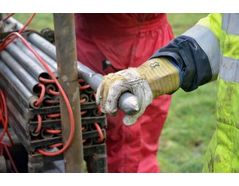
Two of the most common soil testing methods used in Bali are Cone Penetration Testing (CPT) and Standard Penetration Testing (SPT). Each has its own advantages and applications, making them valuable tools in geotechnical engineering.
Cone Penetration Testing (CPT) involves pushing a cone-shaped probe into the ground to measure resistance. This method provides continuous data on soil properties and is particularly useful for identifying layers of different soil types. CPT is often preferred for its efficiency and ability to provide detailed information without the need for extensive sampling.
Standard Penetration Testing (SPT), on the other hand, involves driving a split-barrel sampler into the ground using a hammer. The number of blows required to drive the sampler a certain distance is recorded, providing an indication of soil density and strength. SPT is widely used for its simplicity and cost-effectiveness, although it may not offer the same level of detail as CPT.
Choosing the Right Method
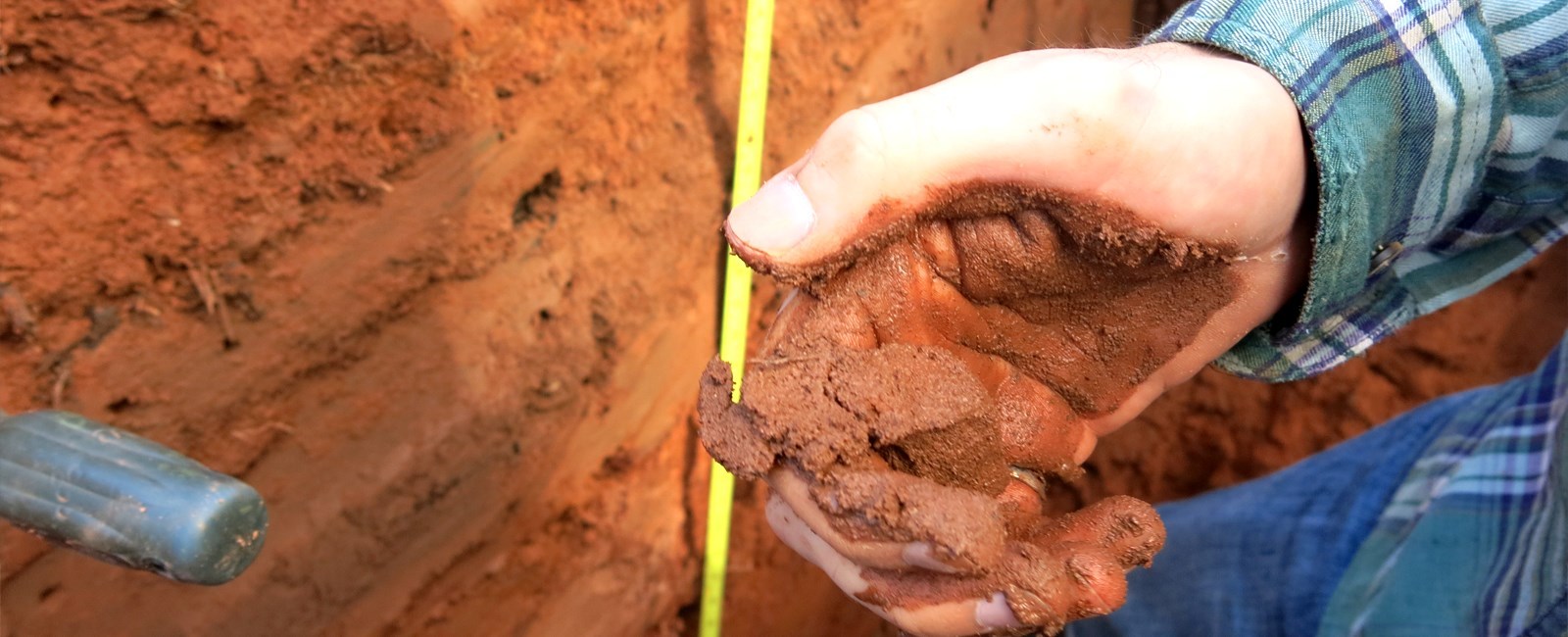
The choice between CPT and SPT depends on the specific needs of the project. For large-scale developments, such as hotels or infrastructure projects, CPT may be more suitable due to its ability to provide continuous data. However, for smaller projects or when budget constraints are a concern, SPT can be a practical and effective option.
Both methods have their limitations, and it’s important to understand the assumptions and corrections involved in interpreting the results. In many cases, combining CPT and SPT can provide a more comprehensive understanding of the subsurface conditions.
The Role of Professional Services
Given the complexity of soil testing, it’s essential to rely on professional services that specialize in geotechnical engineering. Companies like PT Anggarda Paramita Engineering in Denpasar offer expert soil testing solutions that ensure accurate and reliable data. Their experienced team uses advanced techniques and equipment to conduct both CPT and SPT tests, providing clients with the information needed to make informed decisions.
Conclusion
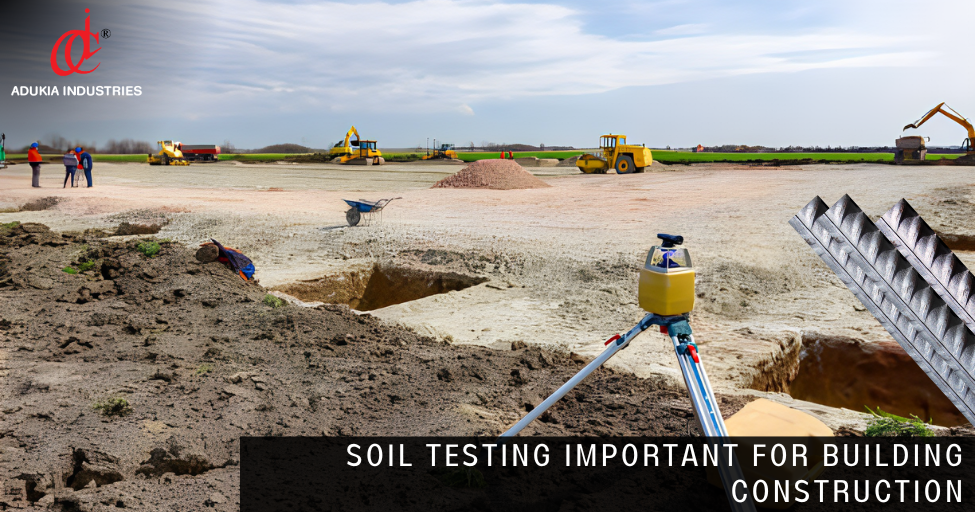
In conclusion, soil testing is a critical step in any construction project, especially in a region as geologically diverse as Bali. By understanding the characteristics of the ground, builders can design foundations that are safe, durable, and capable of supporting the structures they intend to build. Whether using CPT, SPT, or a combination of both, the goal remains the same: to ensure the integrity of the foundation and the safety of the building.
RELATED POSTS
View all