

Bali Construction Project Management: Leading Trends and Expert Insights for Global Developers
Juni 5, 2026 | by Admin

Bali, known for its breathtaking landscapes and vibrant culture, has become a prime destination for construction projects that blend modern infrastructure with traditional aesthetics. As global developers seek to capitalize on Bali’s growing tourism and real estate markets, the management of construction projects in this region has evolved into a complex yet rewarding endeavor. This article explores the leading trends and expert insights shaping the future of construction project management in Bali, offering valuable guidance for international stakeholders.
Emerging Trends in Bali’s Construction Sector
One of the most significant trends in Bali’s construction industry is the increasing emphasis on sustainable development. Developers are now prioritizing eco-friendly materials, energy-efficient designs, and water conservation systems to align with both local regulations and global environmental standards. For instance, many new resorts and residential complexes are incorporating solar panels, rainwater harvesting, and green roofs to reduce their carbon footprint. This shift not only meets the expectations of environmentally conscious travelers but also enhances the long-term value of properties.
Another notable trend is the integration of technology in project management. From Building Information Modeling (BIM) to drone surveys and smart construction equipment, digital tools are streamlining processes and improving accuracy. These technologies enable real-time monitoring, cost control, and risk mitigation, which are crucial for managing large-scale projects in a region as dynamic as Bali. Experts suggest that embracing these innovations can significantly enhance productivity and reduce delays caused by logistical challenges.
Challenges Faced by Global Developers
Despite the opportunities, global developers operating in Bali face several unique challenges. One of the primary hurdles is navigating the local regulatory framework. Bali’s construction laws often require extensive permits and compliance with cultural preservation guidelines, especially in areas designated as heritage sites. Understanding and adhering to these requirements is essential to avoid legal complications and project setbacks.
Additionally, the availability of skilled labor remains a concern. While Bali has a growing workforce, the demand for specialized construction professionals—such as engineers, architects, and project managers—often outpaces supply. This gap necessitates strategic partnerships with local training institutions or the recruitment of international talent to ensure high-quality project execution.
Expert Insights on Effective Project Management
According to industry experts, successful construction project management in Bali hinges on a combination of cultural sensitivity, strategic planning, and adaptability. Dr. Anika Wijaya, a renowned urban planner based in Bali, emphasizes the importance of engaging with local communities from the early stages of a project. “Understanding the social dynamics and cultural values of the area can prevent conflicts and foster smoother collaboration,” she explains. This approach not only ensures compliance with local norms but also builds goodwill among residents, which is vital for long-term success.
Another key insight comes from Marcus Tan, a construction consultant with over two decades of experience in Southeast Asia. He highlights the need for robust risk management strategies. “Bali’s tropical climate, with its monsoon seasons and potential for natural disasters, requires proactive measures to safeguard both the project timeline and budget,” Tan notes. This includes investing in resilient infrastructure, conducting regular site assessments, and having contingency plans in place for unexpected events.
The Role of Collaboration and Partnerships
Collaboration between local and international stakeholders is another critical factor in the success of construction projects in Bali. Establishing strong relationships with local suppliers, contractors, and government agencies can provide invaluable support throughout the project lifecycle. Many developers have found that working closely with local firms not only reduces costs but also enhances the quality of work through shared expertise and knowledge.
Moreover, forming alliances with academic institutions and research organizations can lead to innovative solutions tailored to Bali’s specific conditions. For example, partnerships with universities specializing in architecture and engineering have resulted in the development of new construction techniques that are both cost-effective and environmentally sustainable.
Future Outlook and Opportunities
Looking ahead, the construction sector in Bali is poised for continued growth, driven by increasing investments in tourism, hospitality, and residential developments. As more global developers enter the market, the demand for skilled project managers who understand the nuances of Bali’s environment and culture will rise. This presents a unique opportunity for professionals to contribute to the region’s development while gaining exposure to one of the world’s most iconic destinations.
In addition, the rise of remote work and digital nomadism is expected to boost demand for flexible living spaces and co-working facilities, creating new avenues for construction projects. Developers who can anticipate these shifts and adapt their strategies accordingly will be well-positioned to thrive in Bali’s evolving market.
Conclusion
Bali’s construction project management landscape is a dynamic mix of tradition and innovation, offering both challenges and opportunities for global developers. By staying attuned to emerging trends, leveraging technology, and fostering collaboration, stakeholders can navigate the complexities of this vibrant region effectively. With the right approach, Bali continues to be a compelling destination for those seeking to build lasting legacies in one of the world’s most beautiful settings.
RELATED POSTS
View all


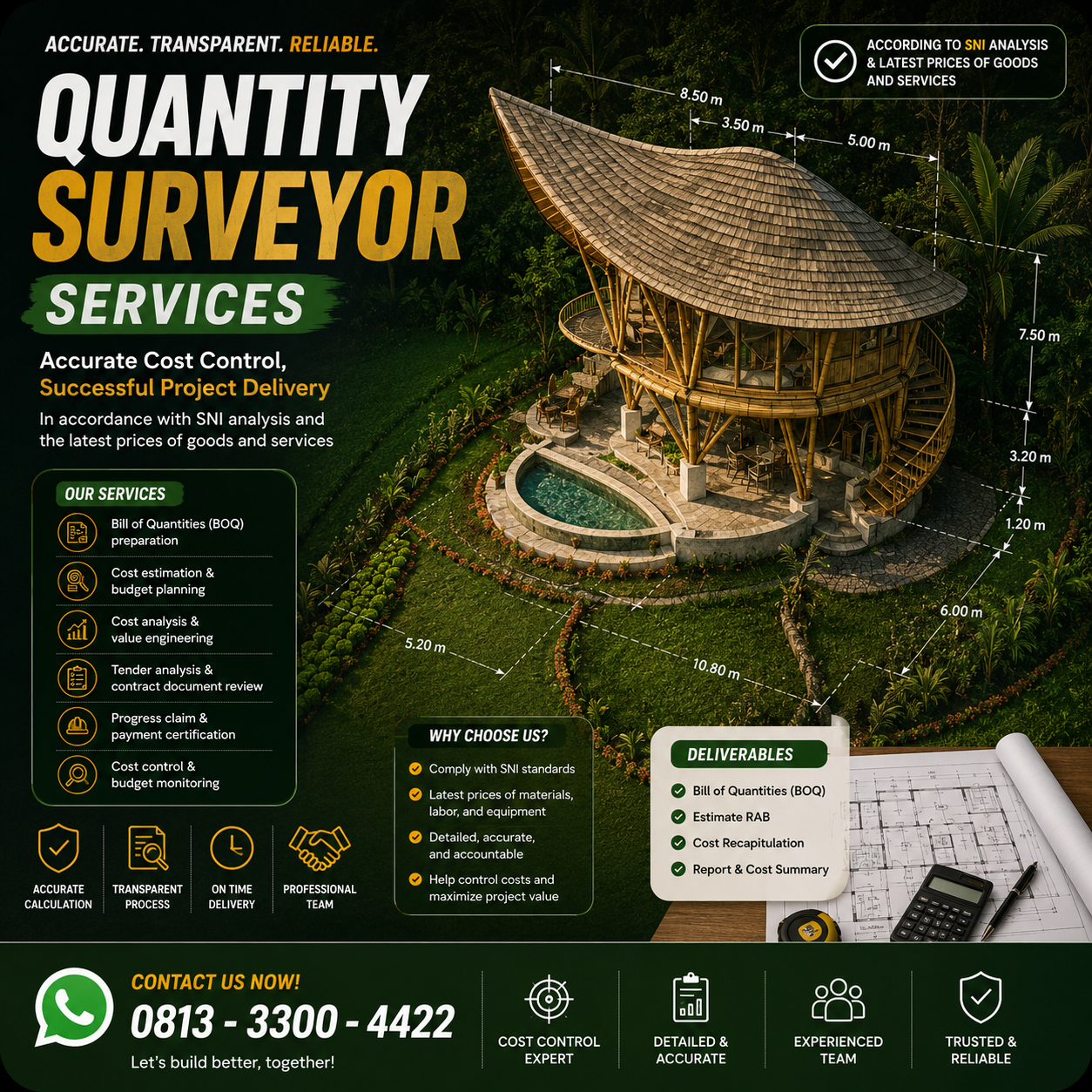
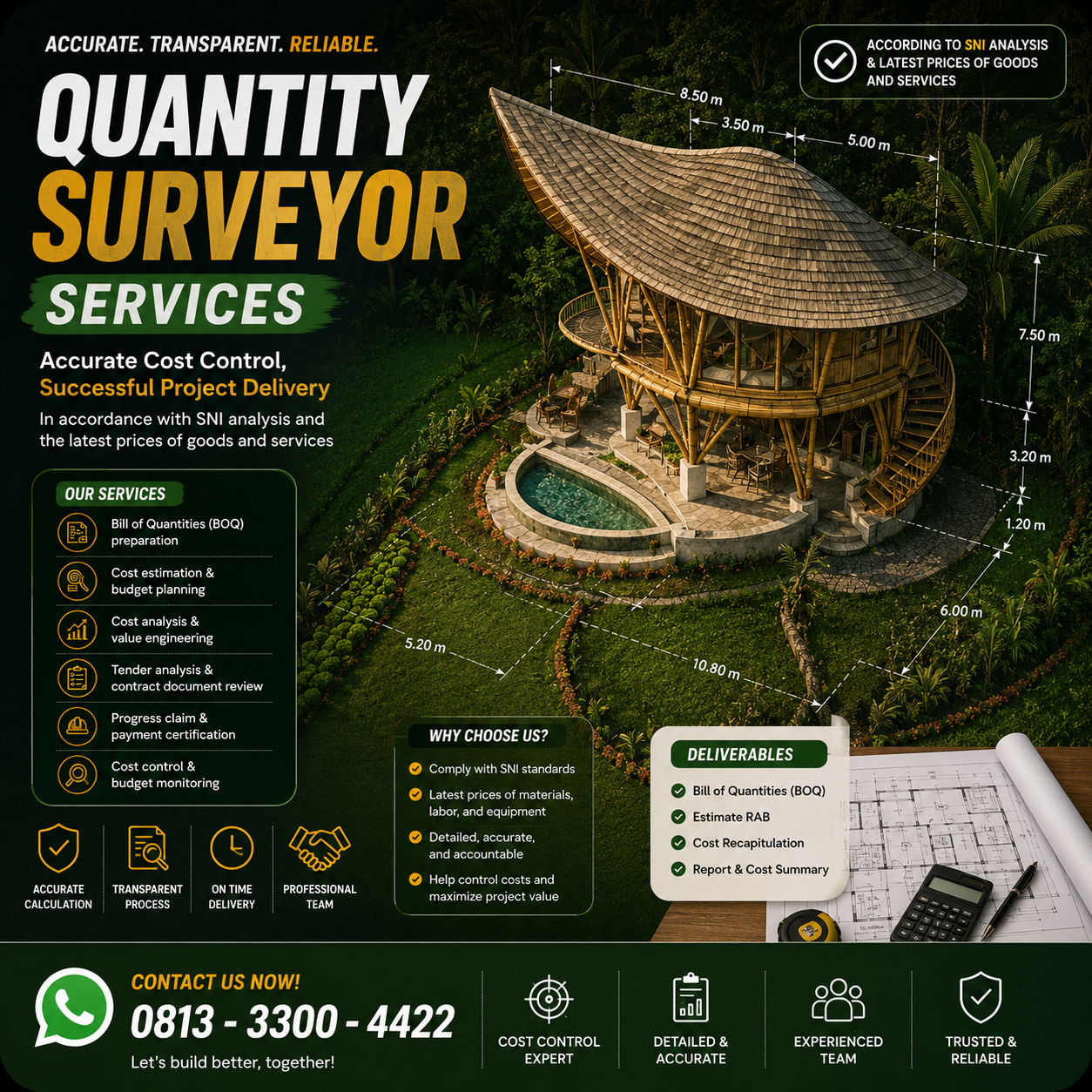
Quantity Surveyor Bali: Expert Cost Management for International Construction Projects
Juni 5, 2026 | by Admin