

Cavity Test for Villa Building in Bali: Essential Guide for Homeowners and Developers
Mei 4, 2026 | by Admin

Cavity test for villa building in Bali is a critical step in ensuring the structural integrity and long-term durability of any residential or commercial property. As Bali continues to attract both local and international investors, the demand for high-quality construction has never been higher. However, with this growth comes the need for rigorous testing procedures to prevent potential issues that could compromise the safety and value of the property. The cavity test, also known as a void detection test, plays a vital role in identifying hidden cavities within the foundation and walls of a building, which can lead to serious structural problems if left unaddressed.
Understanding the Importance of Cavity Tests
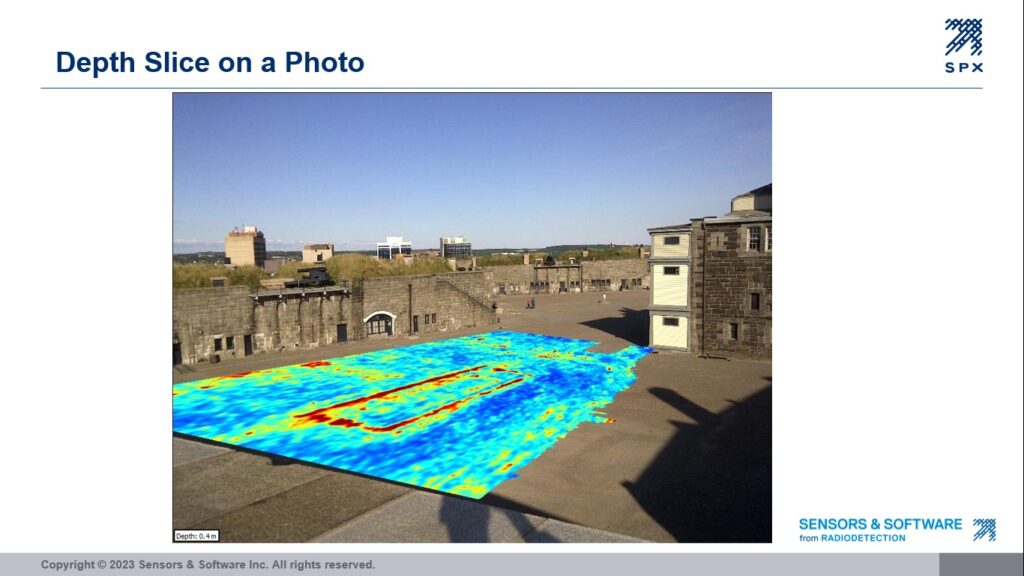
A cavity test involves the use of specialized equipment such as ground-penetrating radar (GPR) or sonic detection tools to scan the internal structure of a building. These methods allow engineers and inspectors to detect empty spaces, voids, or weak spots in the concrete, masonry, or other construction materials. In Bali, where the terrain varies from volcanic rock to sandy soil, the risk of subsurface voids is particularly high. If not identified early, these cavities can cause uneven settling, cracks in walls, and even structural collapse over time. For homeowners and developers, conducting a cavity test is not just a precaution—it’s a necessity.
When Should a Cavity Test Be Conducted?

The timing of a cavity test is crucial to its effectiveness. Ideally, the test should be performed during the early stages of construction, such as after the pouring of the foundation or before the installation of flooring and walls. This allows for immediate identification and correction of any issues before they become more complex and costly to fix. Additionally, existing properties—especially those built on older or unstable ground—should undergo a cavity test as part of routine maintenance. Developers who are acquiring land or purchasing pre-built villas in Bali should also include a cavity test in their due diligence process to avoid unexpected expenses down the line.
Benefits of Conducting a Cavity Test
There are several advantages to performing a cavity test on a villa building in Bali. First and foremost, it helps ensure the safety of the structure by identifying potential weaknesses that could lead to accidents or damage. This is especially important in areas prone to earthquakes or heavy rainfall, where the stability of the foundation is critical. Second, a cavity test can save money in the long run by preventing costly repairs that might be necessary if cavities are discovered later. Third, it provides peace of mind for homeowners and investors, knowing that their property has been thoroughly inspected and meets the highest standards of quality.
How to Choose a Reliable Cavity Testing Service

Selecting the right service provider for a cavity test is essential to obtaining accurate and reliable results. Homeowners and developers in Bali should look for companies that have experience working in the region and are familiar with local building codes and geological conditions. It’s also important to verify that the technicians are properly trained and equipped with the latest technology. Reading reviews and asking for references from previous clients can help identify a trustworthy service. Additionally, requesting a detailed report after the test will provide a clear understanding of the findings and any recommended actions.
Common Issues Identified Through Cavity Tests
During a cavity test, several common issues may be detected, including:
– Subsurface voids caused by poor compaction of soil or erosion
– Cracks in the foundation that may indicate structural stress
– Air pockets within concrete slabs that can weaken the overall structure
– Displacement of reinforcement bars due to improper placement or corrosion
These issues, if left unchecked, can lead to significant damage over time. By addressing them early, developers can ensure that their projects meet the required safety and quality standards.
Best Practices for Preventing Cavities in Future Construction
To minimize the risk of cavities in new constructions, developers should follow best practices such as:
– Ensuring proper compaction of soil before pouring the foundation
– Using high-quality concrete and reinforcing materials
– Monitoring the moisture content of the site to prevent water infiltration
– Regularly inspecting the structure during and after construction
By implementing these measures, builders can significantly reduce the likelihood of cavities forming and improve the longevity of their projects.
RELATED POSTS
View all


Jasa Surveyor Jakarta: Layanan Lengkap Termasuk Georadar untuk Proyek Akurat dan Profesional
Mei 24, 2026 | by Admin