Anggarda Paramita

Eco Friendly Architects in Bali Leading the Charge for Sustainable Design Worldwide

Juni 9, 2026 | by Admin

BANNER PT ANGGARDA PARAMITA ENGINEERING

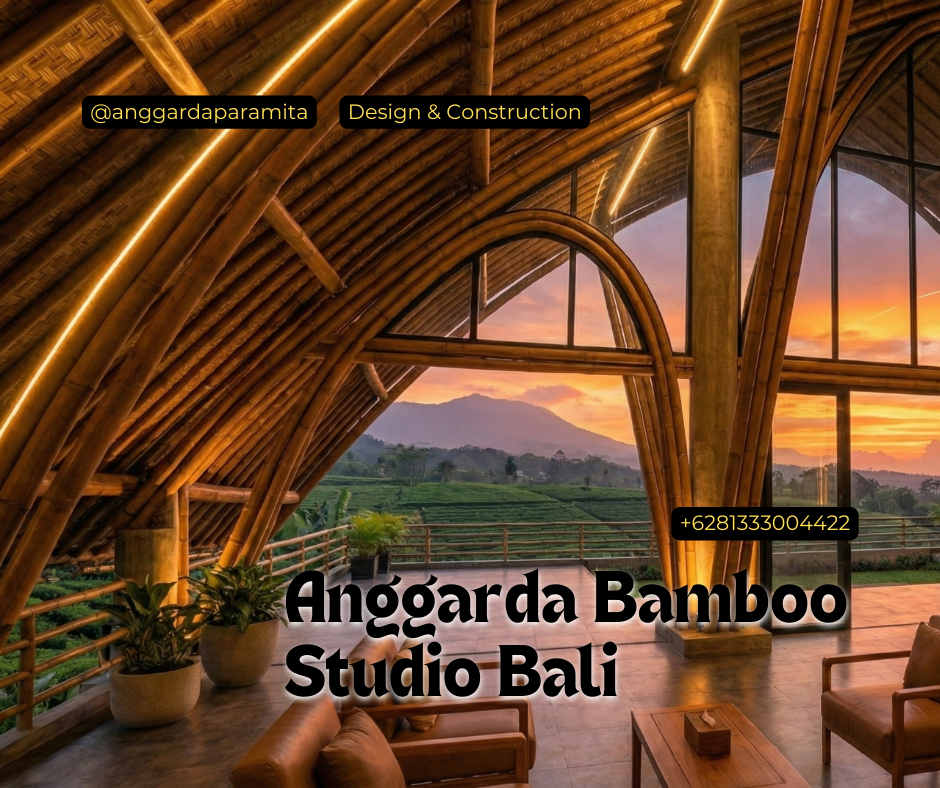
Eco-friendly architects in Bali are redefining the global conversation around sustainable design, blending traditional wisdom with modern innovation to create spaces that harmonize with nature. Located on the island of Bali, known for its lush landscapes and cultural heritage, these architects are at the forefront of a movement that prioritizes environmental responsibility without compromising aesthetics or functionality. Their work not only addresses local ecological challenges but also serves as a model for sustainable architecture worldwide. By integrating natural materials, renewable energy systems, and water conservation techniques, they are demonstrating how buildings can coexist with the environment rather than disrupt it. This approach is particularly significant in a region where tourism and development often strain natural resources, making sustainable design an urgent necessity. The principles of Balinese architecture, rooted in Hindu philosophy and respect for nature, provide a strong foundation for this movement. Elements such as open-air structures, natural ventilation, and the use of bamboo and wood are being reinterpreted through a contemporary lens, resulting in innovative designs that are both functional and visually striking. These architects are also collaborating with local communities to ensure that their projects support economic growth while preserving cultural identity. In doing so, they are creating a blueprint for sustainable development that can be replicated in other parts of the world. One of the key aspects of their work is the emphasis on passive design strategies that reduce energy consumption. For example, buildings are often oriented to maximize natural light and airflow, minimizing the need for artificial lighting and air conditioning. Additionally, rainwater harvesting systems and greywater recycling are becoming standard features in many eco-friendly developments. This not only reduces the environmental footprint of the buildings but also promotes resilience in the face of climate change. Another notable trend is the use of locally sourced materials, which not only supports the local economy but also reduces the carbon footprint associated with transportation. Bamboo, for instance, is being used extensively due to its rapid growth and strength, making it an ideal alternative to conventional building materials like concrete and steel. The integration of green roofs and vertical gardens further enhances the sustainability of these structures by improving insulation, reducing urban heat, and providing habitats for local wildlife. These elements contribute to a more biodiverse environment and help mitigate the effects of urbanization. The influence of Bali’s eco-friendly architects extends beyond the island, inspiring a global shift towards more responsible and mindful design practices. International architects and designers are increasingly looking to Bali as a source of inspiration, incorporating similar principles into their own projects. This cross-cultural exchange is fostering a more collaborative approach to sustainability, where ideas and innovations are shared across borders. Moreover, the success of these projects has led to increased recognition and support from both the public and private sectors. Governments and organizations are beginning to invest in sustainable infrastructure, recognizing the long-term benefits of environmentally conscious design. This growing interest is helping to scale up the impact of Bali’s eco-friendly architects, allowing them to implement larger and more ambitious projects. As the demand for sustainable solutions continues to rise, the role of these architects becomes even more critical. They are not only shaping the physical landscape of Bali but also influencing the way people think about their relationship with the environment. Through their work, they are proving that sustainable design is not just a trend but a necessary evolution in the field of architecture. Their commitment to ecological integrity and cultural preservation sets a powerful example for the rest of the world, showing that it is possible to build in harmony with nature while still meeting the needs of modern society. The future of architecture lies in the hands of those who are willing to challenge conventional practices and embrace a more holistic approach. Bali’s eco-friendly architects are leading the way, proving that sustainability and beauty can go hand in hand. As their influence grows, the global architectural community is beginning to take notice, recognizing the value of their work in shaping a more sustainable and resilient future. With continued innovation and collaboration, the principles pioneered in Bali have the potential to transform the way we design and build, ensuring that our environments are not only functional but also in balance with the natural world.

Eco Friendly Architects

RELATED POSTS

View all

view all