

Expert Soil Investigation for Safe and Sustainable Bali Coastal Developments
Januari 18, 2026 | by Admin
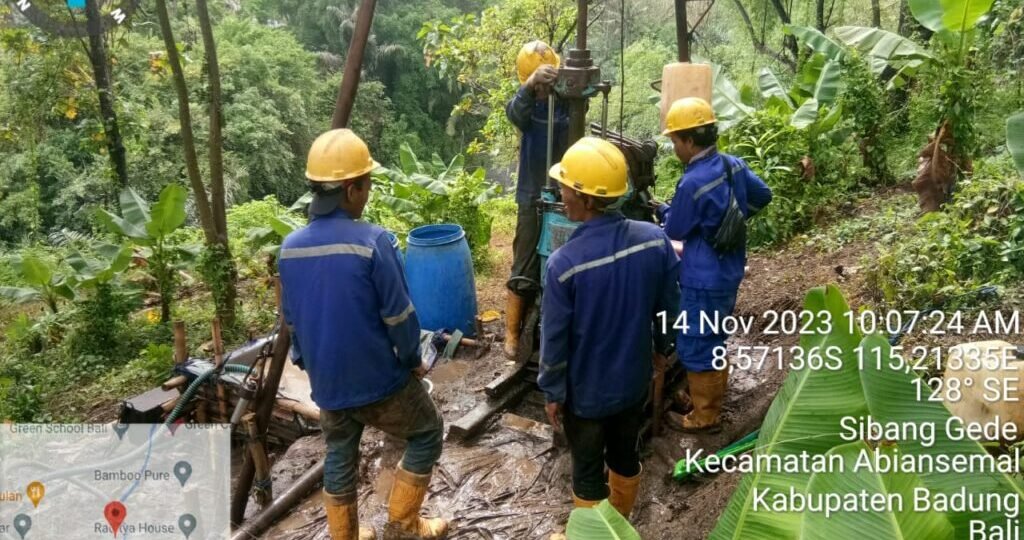
Bali, known for its breathtaking landscapes and vibrant culture, has become a prime destination for coastal developments. From luxury villas to large-scale hotel complexes, the island’s real estate boom is driven by its natural beauty and strategic location. However, with such rapid growth comes a critical need for expert soil investigation to ensure these developments are not only safe but also sustainable in the long term.
The Importance of Soil Investigation in Coastal Areas
Coastal regions like Bali present unique geotechnical challenges. The soil composition can vary significantly, ranging from sandy and marshy terrain to more stable substrates. These variations directly impact the structural integrity of buildings and infrastructure. Without proper soil analysis, developers risk foundation failures, costly repairs, and even environmental degradation.
In Denpasar, one of Bali’s major urban centers, companies like PT Anggarda Paramita Engineering have emerged as leaders in providing Cone Penetration Testing (CPT) and Standard Penetration Testing (SPT) services. These methods are essential for understanding the subsurface conditions and ensuring that construction projects are built on a solid foundation.
Understanding CPT and SPT: Key Tools in Geotechnical Engineering
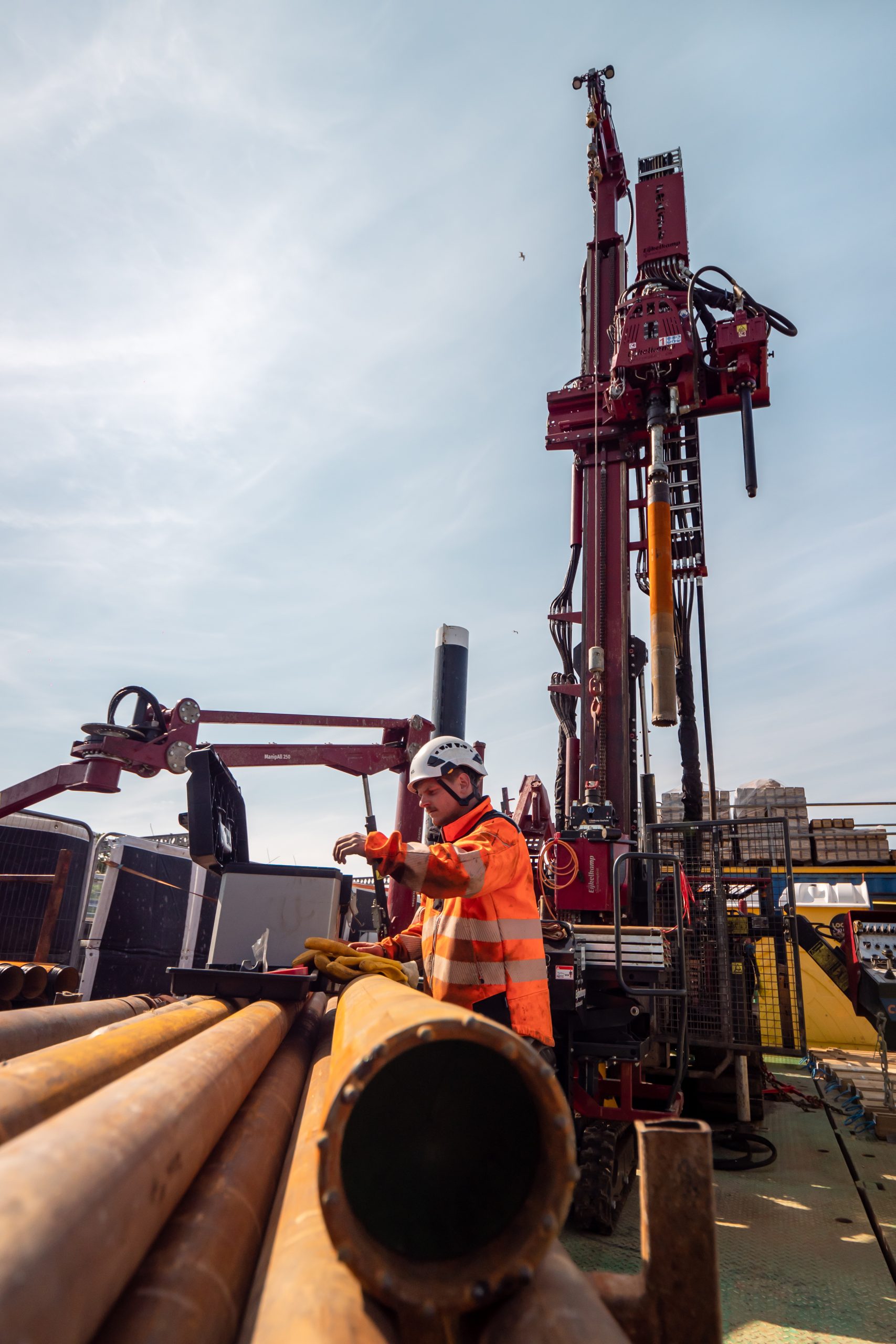
Cone Penetration Testing (CPT) involves pushing a cone-shaped probe into the ground to measure resistance and determine soil properties. This method provides continuous data, making it ideal for identifying changes in soil layers and assessing bearing capacity.
Standard Penetration Testing (SPT), on the other hand, involves driving a split-barrel sampler into the ground using a standard weight. The number of blows required to drive the sampler a certain distance gives an indication of soil density and strength.
Both tests are crucial for geotechnical reports, which are necessary for obtaining building permits (PBG) in Bali. These reports help engineers and architects make informed decisions about foundation design, material selection, and construction techniques.
Challenges in Coastal Soil Analysis

Bali’s coastal areas are characterized by complex soil profiles, often influenced by historical land use, erosion, and sedimentation. Sandy soils, for instance, may require special foundation solutions due to their low bearing capacity. Marshy or wetlands can pose additional challenges, as they may require drainage systems or soil stabilization techniques.
Moreover, the dynamic nature of coastal environments means that soil conditions can change over time due to factors such as tides, storms, and human activity. This makes ongoing monitoring and periodic re-evaluation essential for maintaining the safety and sustainability of developments.
Best Practices for Coastal Development
To ensure the success of coastal developments in Bali, several best practices should be followed:
- Conduct Comprehensive Soil Investigations: Before any construction begins, a thorough soil investigation must be carried out to understand the subsurface conditions.
- Use Advanced Testing Methods: Techniques like CPT and SPT provide accurate data that can inform foundation design and construction strategies.
- Consult with Geotechnical Experts: Engaging professionals like PT Anggarda Paramita Engineering ensures that the latest technologies and methodologies are used.
- Implement Sustainable Practices: Developers should prioritize environmentally friendly construction methods to minimize the impact on local ecosystems.
- Monitor and Maintain: Regular inspections and maintenance are necessary to address any issues that may arise over time.
The Role of Geotechnical Reports in Bali’s Development
Geotechnical reports are not just a formality; they are a vital component of the development process. These reports provide detailed information about the soil’s physical and chemical properties, including its load-bearing capacity, permeability, and susceptibility to settlement.
For developers, this information is crucial in determining the appropriate foundation type, whether it be piles, rafts, or shallow foundations. It also helps in estimating construction costs and timelines accurately.
In addition, geotechnical reports are often required by local authorities for approval of building permits. They serve as a legal document that demonstrates compliance with safety and environmental regulations.
Conclusion
As Bali continues to grow as a hub for coastal developments, the importance of expert soil investigation cannot be overstated. With the right tools, techniques, and expertise, developers can ensure that their projects are not only structurally sound but also environmentally responsible.
Companies like PT Anggarda Paramita Engineering play a vital role in this process, offering high-precision testing services that support safe and sustainable construction. By investing in comprehensive soil investigations, Bali’s developers can build a future that balances economic growth with environmental stewardship.
In the end, the success of any coastal development project hinges on a deep understanding of the land beneath it. And in Bali, that land is as diverse and dynamic as the island itself.
RELATED POSTS
View all

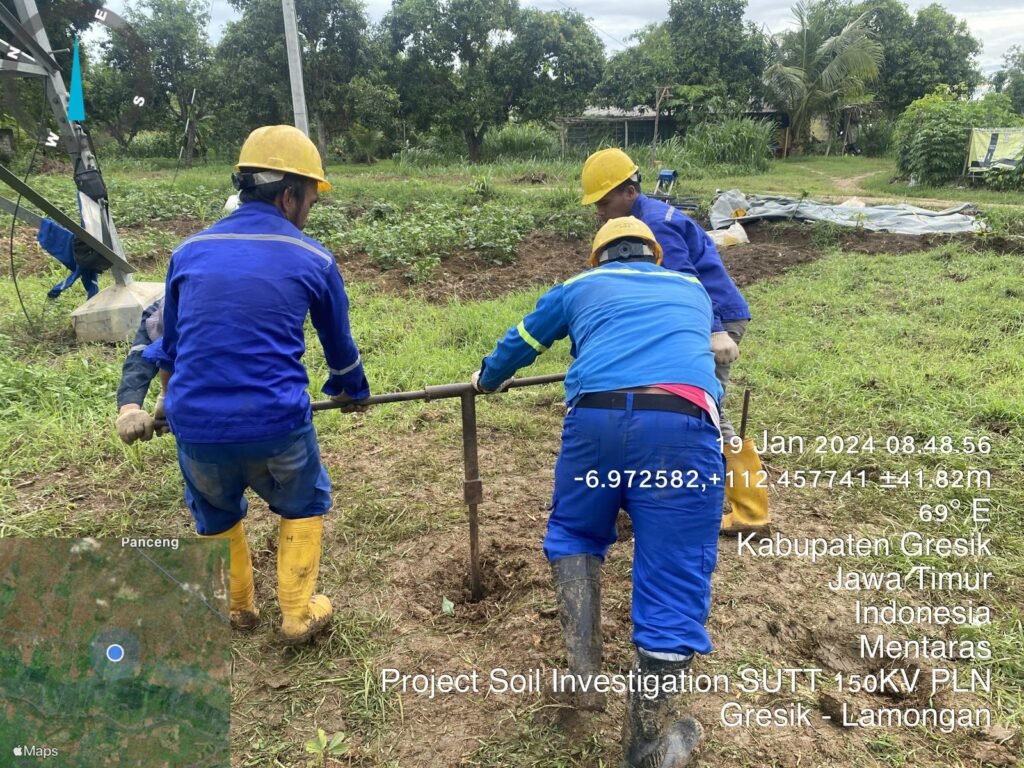
Professional CPT and SPT Soil Testing in Bali: Ensuring Your Building’s Structural Safety
Januari 18, 2026 | by Admin

From CPT Data to Solid Foundations: Engineering Excellence in Denpasar
Januari 18, 2026 | by Admin
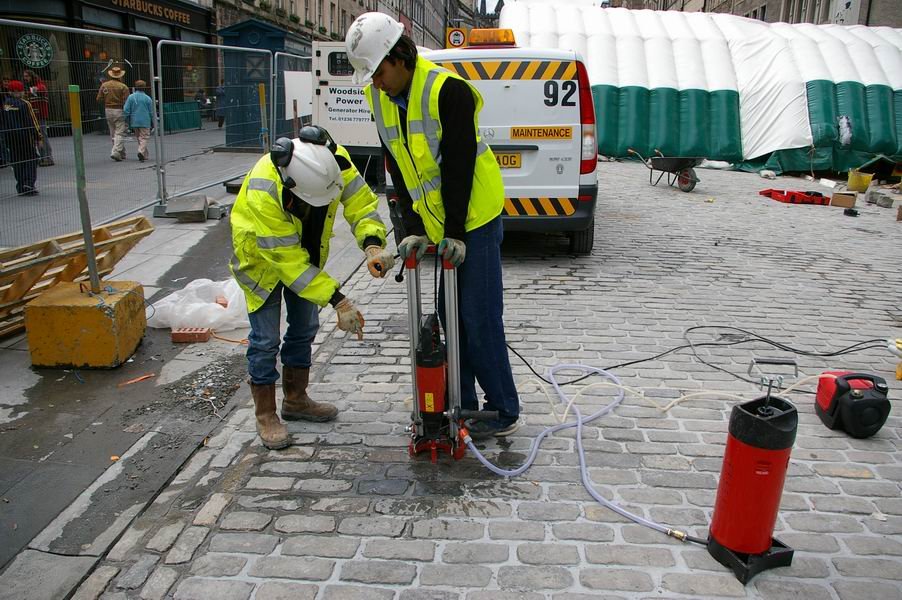
A Step-by-Step Guide to Standard Penetration Testing (SPT) in Denpasar Construction Projects
Januari 18, 2026 | by Admin