How to Conduct a Comprehensive Geotechnical Site Investigation in Bali to Reduce Construction Risks
Januari 10, 2026 | by Admin
Understanding the Importance of Geotechnical Investigations in Bali
Bali, known for its breathtaking landscapes and unique topography, presents both opportunities and challenges for construction projects. The island’s diverse geological features, including volcanic soils, varying elevations, and potential slope instability, necessitate a thorough understanding of the subsurface conditions before any development begins. A comprehensive geotechnical site investigation is crucial to identify potential risks such as soil bearing capacity, groundwater levels, and slope stability, ensuring that construction projects are safe, sustainable, and compliant with engineering standards.
Key Components of a Geotechnical Site Investigation in Bali
Conducting a geotechnical site investigation in Bali involves several critical steps, each designed to gather detailed data about the ground conditions. These components include:
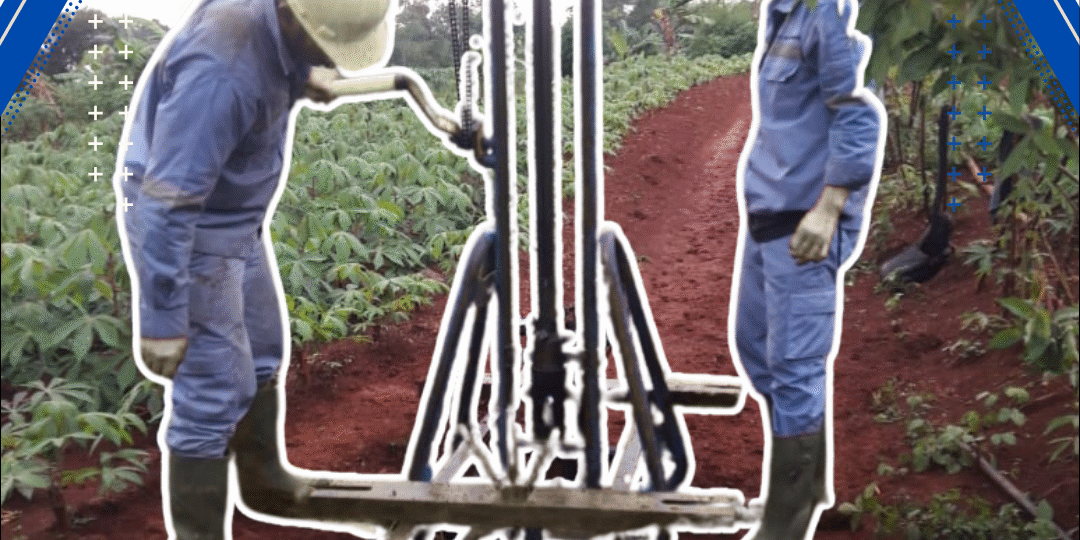
Borehole Drilling: This process involves drilling into the ground to collect soil samples at various depths. Boreholes can reach depths of up to 30 meters, providing valuable insights into the soil composition and stratification.
Standard Penetration Testing (SPT): SPT is a common method used to determine the relative density and strength of soil layers. By measuring the resistance of the soil to penetration, engineers can assess the bearing capacity and suitability of the ground for different types of foundations.
Cone Penetration Testing (CPT): CPT provides continuous data on soil resistance and strength, offering a more detailed analysis of the subsurface conditions. This method is particularly useful in identifying variations in soil properties across the site.
Topographic Survey: A topographic survey maps the elevation changes and natural features of the land. This information is essential for planning construction activities, determining drainage systems, and assessing the impact of terrain on building design.
Slope Stability Analysis: In areas with steep slopes, such as Petang in Badung, slope stability analysis is vital. This involves evaluating the risk of landslides and determining the necessary reinforcement measures to ensure the safety of structures.
Field Testing and Methodology

In Bali, field testing is often conducted using a combination of methods to ensure accurate and reliable results. For instance, in the Desa Carang Sari area, Indo Soil conducted a series of tests that included:
- 4 Boreholes reaching depths of up to 30 meters, with Standard Penetration Testing (SPT) to assess soil strength.
- 3 Cone Penetration Tests (CPT/Sondir) to evaluate cone resistance and local shear strength.
- Topography Survey to determine elevation gradients and understand the land’s contours.
- Slope Analysis on 4 cross-sections near borehole locations to assess the stability of the terrain.
This multi-layered approach is essential in areas with complex soil layers and undulating topography, ensuring that all potential risks are identified and addressed.
Soil Findings and Recommendations
The soil investigation in Desa Carang Sari revealed a mix of clay loam, marine clay, and young sedimentary rock (cadas muda) at deeper levels. The top layers ranged from soft to medium consistency, gradually transitioning into harder strata suitable for anchoring foundations. The SPT results showed increasing N-values with depth, indicating improving soil strength below 5 meters. Most boreholes hit stiff soil and rock layers between 9–11 meters, making bore piles a suitable recommendation for foundation design.
Groundwater levels were also assessed, and no significant groundwater table was encountered within the tested depth (up to 30 meters), minimizing concerns for water intrusion or buoyancy effects during foundation placement.
Foundation Design and Topographic Considerations
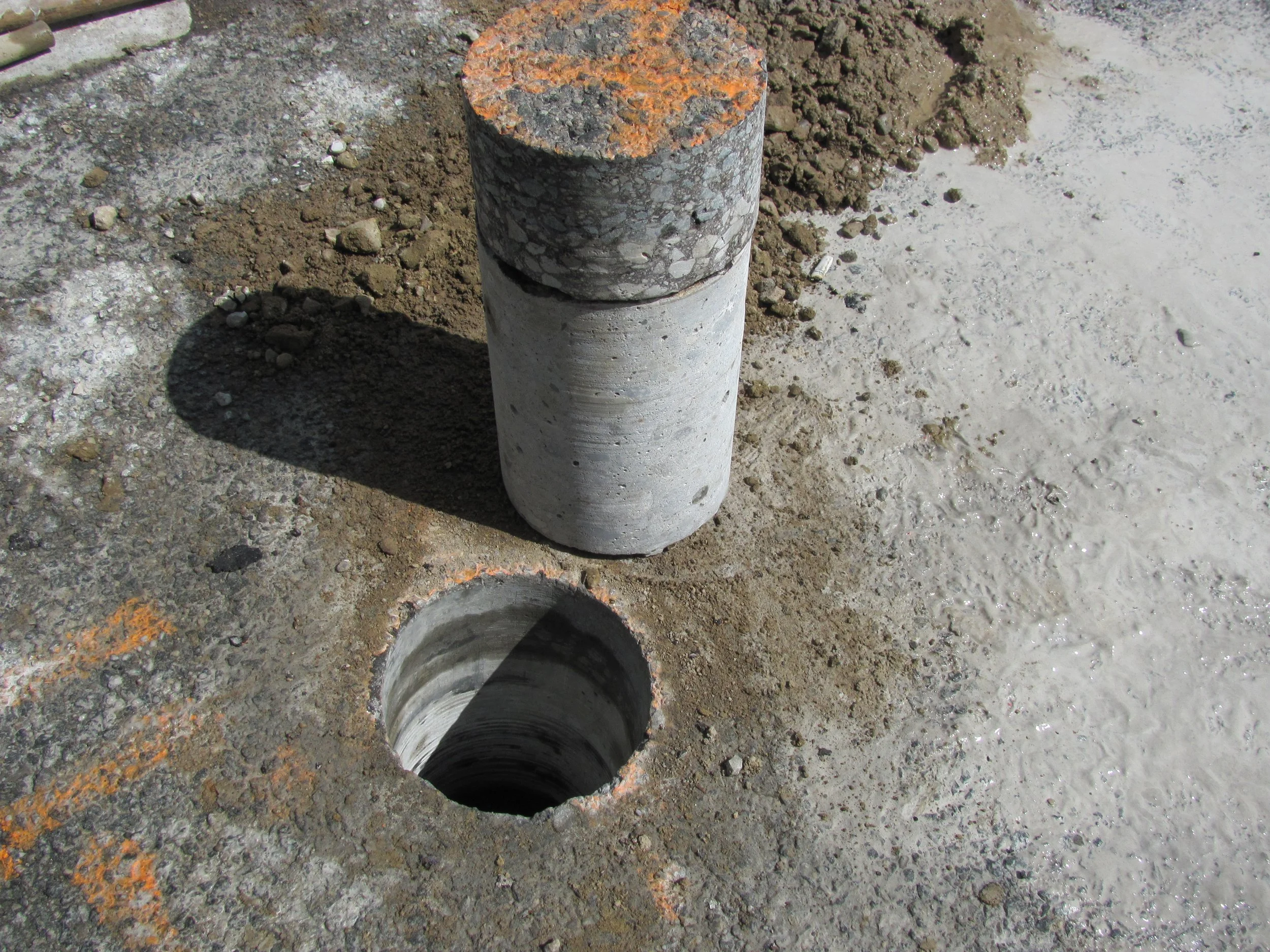
Based on the borehole and CPT data, the recommended bearing capacities for 30 cm diameter bore piles were within the range of 50–56 tons, depending on the location and depth. This makes bore piles ideal for supporting mid-rise villas, small resorts, or other residential buildings expected in this area. For shallow footings, allowable bearing capacities at 1–1.5 meters ranged between 0.5–1.3 kg/cm², which may be suitable only for lightweight structures.
Topographic surveys revealed gentle to moderate slope variation across the site. These changes in elevation were taken into account during the slope section analysis. While overall terrain appeared manageable for residential construction, localized grade changes above 15% would require proper retaining structures and drainage systems to prevent erosion or sliding.
Slope Stability and Risk Mitigation
Slope stability analysis is a critical component of any geotechnical investigation, especially in high-rainfall areas like Petang. Four slope sections were analyzed using borehole and soil strength data, and all four sections produced stability factors above the minimum threshold for safe construction. However, reinforcement and drainage systems are recommended in steeper zones to mitigate the risk of landslides and ensure long-term stability.
Conclusion and Next Steps
A comprehensive geotechnical site investigation in Bali provides a solid foundation for any construction project. By understanding the subsurface and surface conditions, developers can make informed decisions about foundation design, structural stability, and risk mitigation. The data gathered from these investigations is invaluable for ensuring that projects are built safely and sustainably, adhering to engineering standards and local regulations.
For those planning developments in Bali, partnering with experienced professionals who specialize in geotechnical investigations is essential. Companies like Indo Soil offer expert services tailored to the unique challenges of Bali’s landscape, ensuring that every project starts with accurate and reliable ground data.
[IMAGE: Geotechnical Site Investigation in Bali to Minimize Construction Risks]
RELATED POSTS
View all


The Importance of Cone Penetration Testing (CPT) for Bali’s Unique Soil Profiles
Januari 18, 2026 | by Admin