

Hydrogeology Survey Bali Reveals Hidden Groundwater Secrets for Sustainable Development
Mei 4, 2026 | by Admin

Hydrogeology survey in Bali has unveiled a wealth of hidden groundwater secrets, offering new insights into the island’s water resources and their potential for sustainable development. This groundbreaking study, conducted by a team of geologists and environmental scientists, has provided critical data on the distribution, quality, and recharge mechanisms of groundwater across the region. The findings are expected to play a pivotal role in shaping future water management strategies, ensuring that Bali can meet the growing demands of its population and tourism industry without depleting its natural resources.
Understanding Bali’s Groundwater System
Bali, known for its lush landscapes and vibrant culture, faces increasing pressure on its water supply due to rapid urbanization and seasonal rainfall variability. The hydrogeology survey focused on mapping the island’s aquifers—underground layers of water-bearing rock or sediment. Using advanced geophysical techniques such as electrical resistivity tomography (ERT) and ground-penetrating radar (GPR), researchers were able to create detailed 3D models of the subsurface. These models revealed previously unknown aquifers, some of which are located at depths exceeding 100 meters.
The survey also highlighted the importance of understanding the relationship between surface water and groundwater. In many parts of Bali, rivers and streams are fed by underground springs, making the health of these systems crucial for maintaining a stable water supply. The research found that certain areas, particularly in the northern and western regions of the island, have high groundwater recharge rates, while others, such as the southern coastal zones, show signs of over-extraction and contamination. 
Implications for Sustainable Development

The results of the hydrogeology survey have significant implications for Bali’s sustainable development. With the island’s population projected to grow and tourism continuing to expand, the need for a reliable and clean water source is more pressing than ever. The discovery of new aquifers offers an opportunity to diversify water sources, reducing dependence on surface water and mitigating the risks associated with droughts and climate change.
One of the key recommendations from the study is the implementation of managed aquifer recharge (MAR) programs. These initiatives involve directing excess surface water into the ground during periods of high rainfall to replenish groundwater reserves. By doing so, communities can store water for use during dry seasons, ensuring a more consistent supply. The survey identified several suitable locations for MAR projects, including areas near rivers and agricultural lands where water infiltration is naturally enhanced. 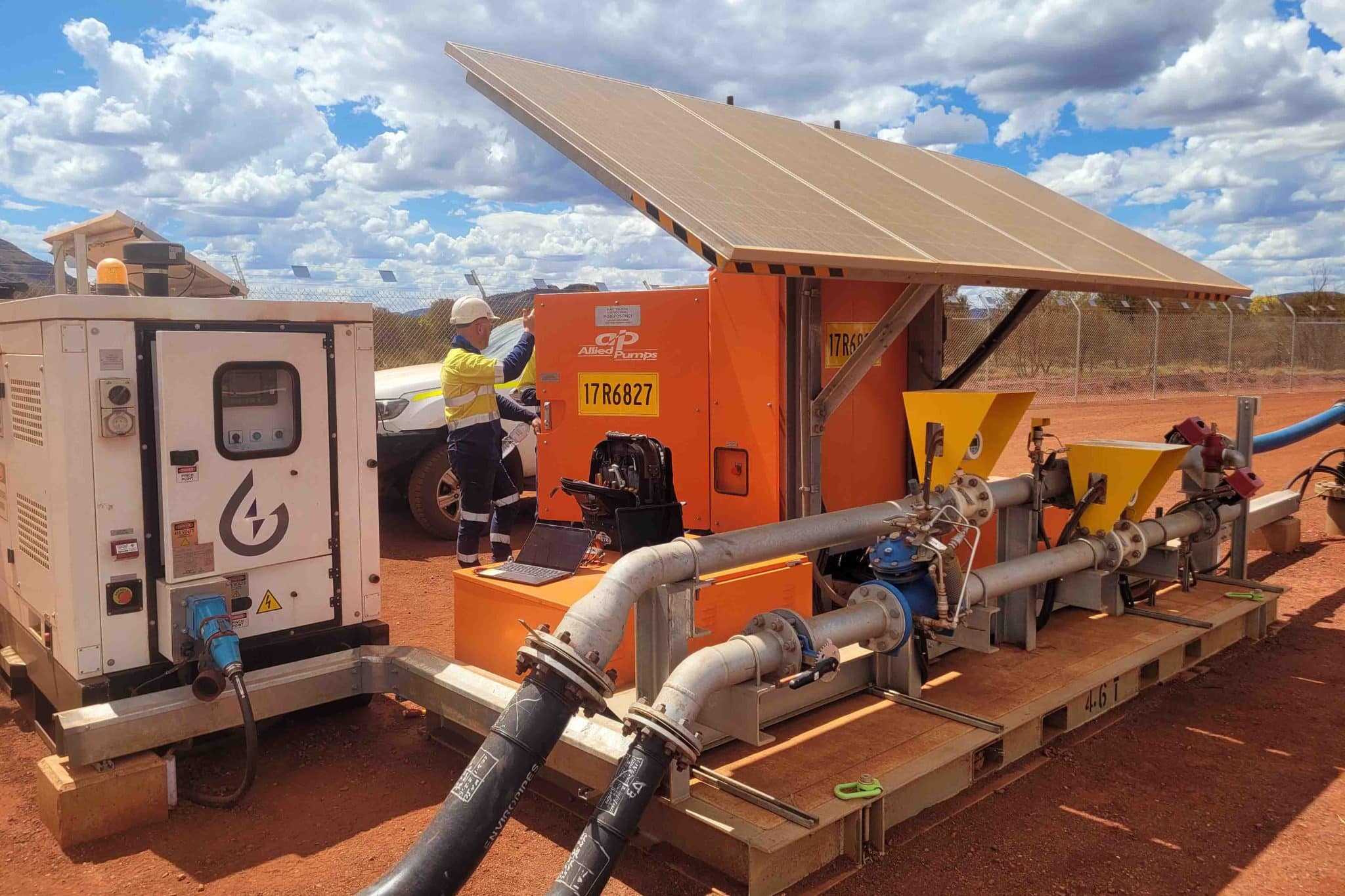
In addition to expanding water availability, the survey emphasized the need for stricter regulations on groundwater extraction. Over-pumping, especially in densely populated areas, has led to declining water tables and increased salinity in some regions. The researchers recommend the introduction of monitoring systems that track groundwater levels and usage in real time, enabling authorities to enforce sustainable extraction limits. 
Challenges and Future Directions

Despite the promising findings, the hydrogeology survey also uncovered several challenges that must be addressed to ensure long-term water security. One of the primary concerns is the impact of land-use changes on groundwater quality. Urban expansion and deforestation have reduced the natural filtration capacity of the soil, leading to higher levels of pollutants in some aquifers. The study suggests that reforestation efforts and the protection of recharge zones could help improve water quality and maintain healthy groundwater systems.
Another challenge is the lack of public awareness regarding groundwater conservation. Many residents rely on shallow wells and hand-dug wells, which are vulnerable to contamination and depletion. The survey recommends educational campaigns to inform communities about the importance of protecting groundwater and adopting water-saving practices. By fostering a culture of sustainability, Bali can better safeguard its most valuable resource.
Looking ahead, the researchers plan to conduct follow-up studies to monitor the effectiveness of proposed interventions. They also aim to collaborate with local governments and international organizations to develop comprehensive water management policies. The success of these efforts will depend on the cooperation of all stakeholders, from farmers and tourists to policymakers and scientists. 
RELATED POSTS
View all


Investasi Sumur Bor Dalam: Peluang dan Manfaat untuk Masa Depan yang Lebih Berkelanjutan
Mei 1, 2026 | by Admin
Metode Georadar: Prinsip Kerja, Tahapan Pelaksanaan, dan Teknik Penggunaan
Mei 6, 2026 | by Admin