

Soil Testing Best Practices for Large-Scale Hotel Developments in Bali
Januari 18, 2026 | by Admin
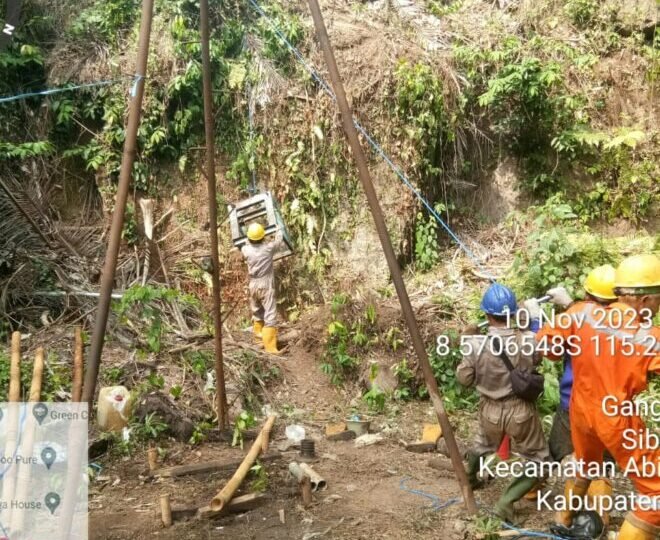
Bali, known for its breathtaking landscapes and vibrant culture, has become a prime destination for large-scale hotel developments. However, the island’s diverse geology presents unique challenges that must be addressed to ensure the safety, stability, and longevity of these structures. Soil testing is a critical step in this process, providing essential data that informs foundation design, construction methods, and risk mitigation strategies. For developers, architects, and engineers involved in Bali’s hospitality sector, understanding and implementing best practices for soil testing is not just a regulatory requirement—it’s a strategic necessity.
Why Soil Testing Is Essential for Hotel Developments
The foundation of any structure is only as strong as the ground it rests on. In Bali, where the terrain ranges from volcanic rock and limestone to sandy coastal areas and alluvial deposits, the variability of soil types demands a thorough understanding of subsurface conditions. Without proper soil testing, hotel developers risk structural failures, costly repairs, and even safety hazards.
Soil testing provides critical information such as:
- Load-bearing capacity: Determining how much weight the ground can support.
- Soil composition: Identifying the presence of clay, sand, silt, or rock.
- Groundwater levels: Assessing the proximity of water to the surface.
- Soil stability: Evaluating resistance to landslides or subsidence.
- Permeability and compaction: Understanding how the soil reacts to moisture and pressure.
This data enables engineers to design foundations that are both safe and cost-effective. For large-scale hotels, which often require deep foundations, reinforced concrete piles, or specialized drainage systems, accurate soil analysis is indispensable.
Key Considerations for Bali’s Unique Geology

Bali’s geology is highly variable, with different regions presenting distinct challenges:
- Volcanic Rock: Found in areas like Kintamani, this material can range from soft pumice to hard basalt. Basalt and granite provide stable foundations, but softer volcanic ash may require deeper piles.
- Limestone and Coral Rock: Common in Uluwatu and Ungasan, these materials are generally stable but can be porous and difficult to drill into.
- Sandy Soils: Coastal regions such as Sanur and Denpasar have sandy soils that are stable if properly managed but susceptible to erosion.
- Alluvial Deposits: Found in flood plains and low-lying areas, these deposits vary in stability. Clay in these regions can expand and contract, posing risks to foundation integrity.
- Clay in Former Rice Fields: Ubud and Gianyar have clay-rich soils that are problematic due to their tendency to swell when wet and shrink when dry.
Each of these soil types requires a tailored approach to foundation design. For example, a hotel built on clay may need a raft slab foundation, while one on limestone might require deep piling to avoid instability.
Best Practices for Conducting Soil Tests

To ensure accurate and reliable results, developers should follow these best practices:
Conduct Testing Early in the Planning Phase
Soil testing should be performed before finalizing architectural designs or submitting building permits. This allows engineers to adjust the foundation design based on the actual ground conditions, avoiding costly redesigns later.Use Appropriate Testing Methods
Two common methods used in Bali are Cone Penetration Testing (CPT) and Standard Penetration Testing (SPT). CPT provides continuous data on soil strength and stratification, while SPT offers insights into soil density and bearing capacity. Both methods are essential for understanding the subsurface profile.Engage Certified Geotechnical Experts
Hiring a reputable geotechnical engineering firm with experience in Bali’s unique soil conditions is crucial. These experts can interpret test results accurately and provide recommendations for foundation design, drainage, and soil improvement techniques.Comply with Regulatory Requirements
In Indonesia, soil testing is often required as part of the Building Permit (PBG/IMB) application. Developers should ensure that their soil test reports meet the standards set by local authorities and include details such as pile depth, foundation type, and groundwater levels.Integrate Results into the Design Process
The findings from soil tests should inform every stage of the development, from site layout to structural engineering. This ensures that the hotel’s foundation is optimized for the specific soil conditions, reducing long-term maintenance costs and improving safety.
The Role of Geotechnical Reports in Permitting

In Bali, obtaining a building permit (PBG) involves submitting technical documentation that includes geotechnical reports. These reports serve as evidence that the proposed structure is safe and compliant with local regulations. A well-documented soil test can expedite the approval process and reduce the risk of delays or rejections.
Additionally, for projects requiring an Environmental Impact Assessment (AMDAL), soil testing data helps assess potential risks such as erosion, landslides, and groundwater contamination. This makes soil testing an integral part of sustainable development in Bali.
Choosing the Right Soil Testing Service
Selecting a reliable soil testing company is vital for the success of any hotel development. Developers should look for firms that:
- Are certified by the Indonesian Institute of Engineering (LPJK).
- Have experience with large-scale projects in Bali.
- Provide transparent pricing and detailed reports.
- Offer both field testing and laboratory analysis.
Companies like PT Anggarda Paramita Engineering and CV Geoborneo Teknotama are known for their expertise in geotechnical investigations and have successfully supported numerous hotel and resort projects across the island.
Cost and Timeline Considerations
The cost of soil testing varies depending on the size of the project and the depth of investigation. For a large-scale hotel, the investment in soil testing typically ranges from IDR 25 million to 50 million, covering drilling, sampling, and laboratory analysis. While this may seem significant, it is a fraction of the potential costs associated with foundation failures or structural issues.
The timeline for completing a soil test usually takes 2–3 weeks, allowing developers to incorporate the findings into their planning without causing major delays.
Conclusion
For large-scale hotel developments in Bali, soil testing is not just a preliminary step—it’s a foundational element of successful construction. By understanding the island’s diverse geology and following best practices for soil testing, developers can ensure the safety, durability, and compliance of their projects. In a region where the ground beneath your feet can make or break a development, investing in accurate soil analysis is a decision that pays dividends in the long run.
RELATED POSTS
View all

Expert Soil Investigation for Safe and Sustainable Bali Coastal Developments
Januari 18, 2026 | by Admin

Understanding CPT vs. SPT: Which Soil Test Does Your Denpasar Project Need?
Januari 18, 2026 | by Admin