

Understanding CPT vs. SPT: Which Soil Test Does Your Denpasar Project Need?
Januari 18, 2026 | by Admin
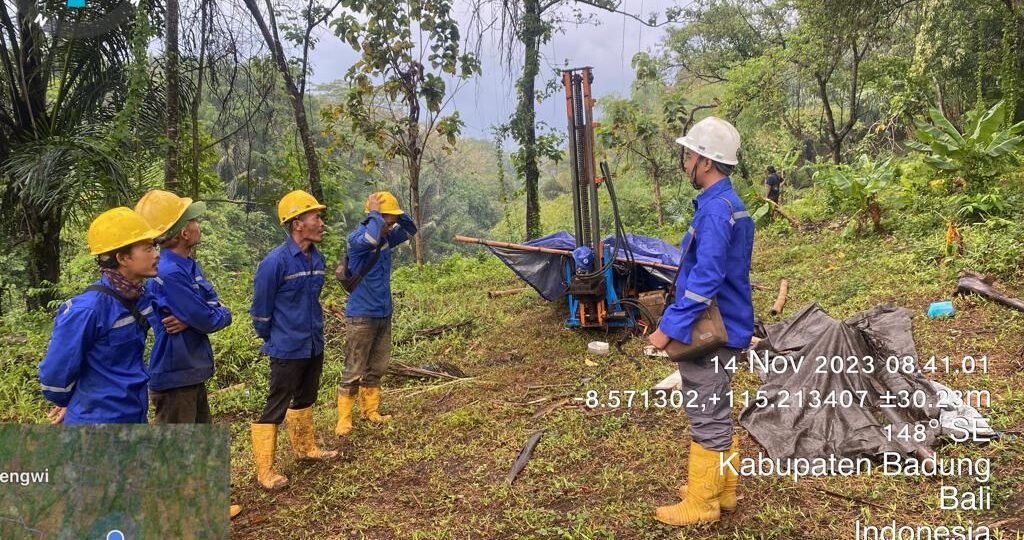
Soil testing is a critical component of any construction project, especially in regions like Denpasar, where the geological conditions can vary significantly. Two of the most commonly used soil testing methods are Cone Penetration Testing (CPT) and Standard Penetration Testing (SPT). Each has its own advantages and limitations, making them suitable for different types of projects. Understanding the differences between CPT and SPT can help you choose the right test for your specific needs in Denpasar.
What is CPT and SPT?
Cone Penetration Testing (CPT) is an in-situ testing method that involves pushing a cone-shaped probe into the ground at a constant rate while measuring the resistance encountered. The cone is equipped with sensors to measure the tip resistance and sleeve friction, which provide data on soil strength and density. CPT is known for its ability to deliver real-time results, making it highly efficient for large-scale projects. Additionally, since CPT does not require a borehole, it minimizes environmental disruption and reduces the risk of contamination from drilling activities.
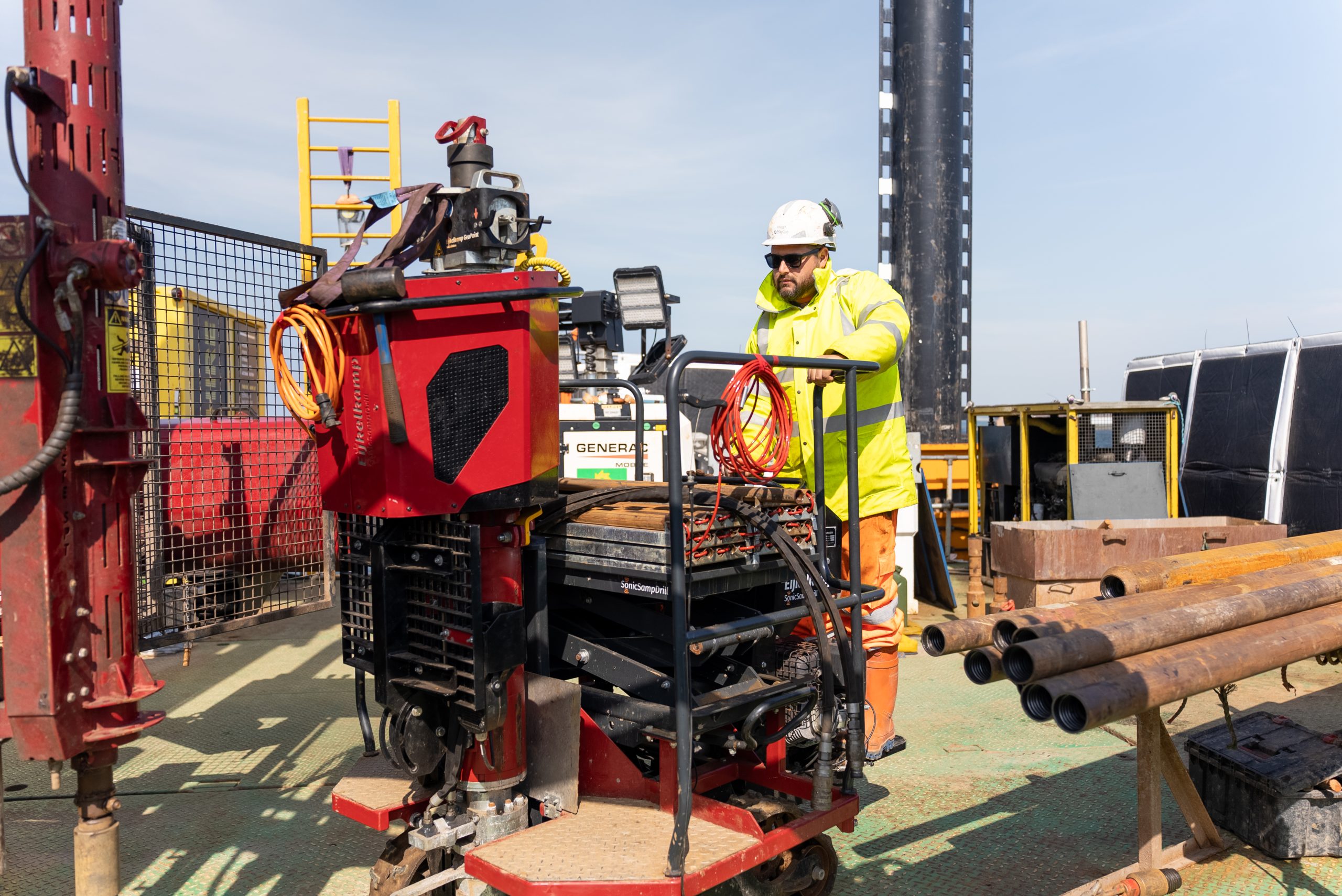
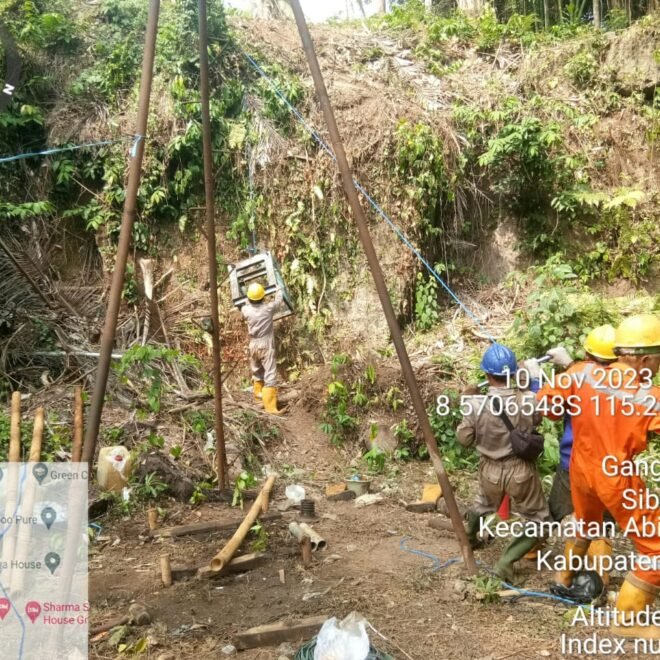
Standard Penetration Testing (SPT), on the other hand, is a more traditional method that involves driving a split-spoon sampler into the ground using a hammer. The number of blows required to drive the sampler 30 cm into the soil is recorded as the N-value, which is used to estimate the soil’s relative density and shear strength. While SPT is cost-effective and straightforward, it is less accurate than CPT, especially in cohesive soils. Furthermore, the process can disturb the soil sample, leading to less reliable data in certain conditions.
Key Differences Between CPT and SPT
Data Accuracy and Reliability
CPT provides continuous and detailed data on soil properties, allowing for more precise analysis. In contrast, SPT offers discrete data points, which may not capture the full picture of soil variability. For projects requiring high accuracy, such as those involving deep foundations or complex geotechnical challenges, CPT is often the preferred choice.Speed and Efficiency
CPT is generally faster and more efficient, as it delivers real-time results without the need for extensive laboratory analysis. SPT, however, requires additional steps, including sample collection and lab testing, which can delay the decision-making process.Environmental Impact
CPT is less invasive, as it does not involve creating a borehole, reducing the risk of soil disturbance and contamination. SPT, by contrast, requires drilling and sampling, which can have a greater environmental impact, particularly in sensitive areas.Cost Considerations
While SPT is typically less expensive due to its simplicity, the long-term benefits of CPT, such as reduced risk of foundation failure and improved project planning, can make it a more cost-effective option for larger or more complex projects.
When to Choose CPT or SPT in Denpasar
Denpasar, located in Bali, is characterized by diverse geological conditions, including sandy, clayey, and marshy soils. The choice between CPT and SPT depends on the specific requirements of your project:
For Large-Scale Projects: If you are working on a large infrastructure project, such as a hotel, commercial building, or highway, CPT is often the better option. Its ability to provide continuous data allows for more accurate foundation design and reduces the risk of unexpected issues during construction.
For Smaller Projects: For smaller residential or commercial developments, SPT may be sufficient. It is a cost-effective solution that provides essential data for foundation planning. However, it is important to note that SPT may not be as reliable in cohesive soils or when dealing with complex geotechnical conditions.
For Coastal Developments: In coastal areas, where the soil may be prone to liquefaction or settlement, CPT is particularly valuable. Its ability to detect subtle changes in soil behavior helps ensure the stability of structures built on such sites.
For Environmental Sensitivity: If your project is in an environmentally sensitive area, CPT’s minimal environmental impact makes it the preferred choice. This is especially relevant in Denpasar, where preserving natural ecosystems is a priority.
Why Professional Services Matter
While DIY soil testing kits are available, they often lack the precision and depth required for complex projects. Professional services, such as those offered by PT Anggarda Paramita Engineering, provide expert guidance and advanced equipment to ensure accurate and reliable results. Their experience in Denpasar’s unique geological conditions ensures that your project is built on a solid foundation.
Conclusion
Choosing between CPT and SPT for your Denpasar project requires careful consideration of factors such as project size, soil conditions, and environmental impact. CPT offers superior accuracy and efficiency, making it ideal for large-scale and complex developments. SPT, while cost-effective, may not be as reliable in certain situations. By understanding the strengths and limitations of each method, you can make an informed decision that ensures the safety and longevity of your construction project.

RELATED POSTS
View all

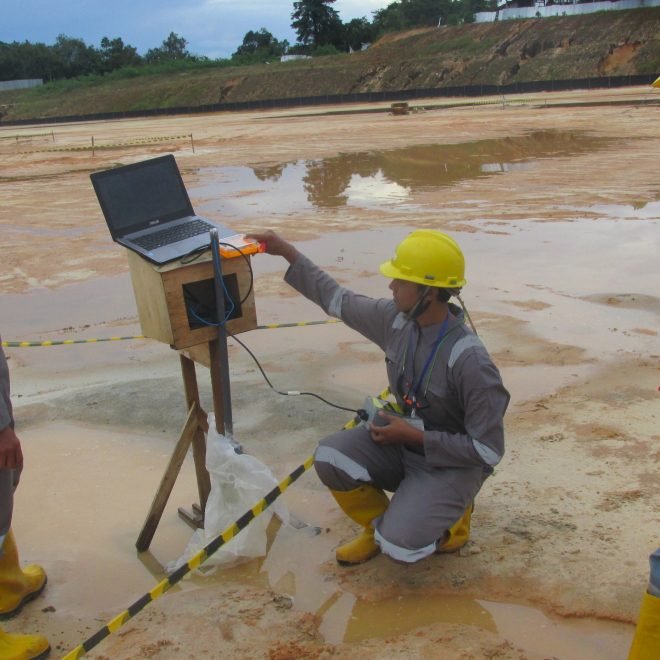
How Professional Geotechnical Surveys Help Reduce Construction Risks in Bali
Januari 18, 2026 | by Admin

Solusi Geolistrik Terkini untuk Proyek Geothermal dan Energi Baru yang Berkelanjutan
November 22, 2025 | by Admin
Soil Testing Best Practices for Large-Scale Hotel Developments in Bali
Januari 18, 2026 | by Admin