


Underground water detection in Bali has recently unveiled a wealth of hidden natural resources, offering new insights into the island’s geological composition and potential for sustainable development. This discovery is not only significant for local communities but also for global efforts in water conservation and environmental management. The use of advanced technologies such as ground-penetrating radar (GPR) and seismic surveys has allowed scientists to map underground aquifers with unprecedented accuracy, revealing reservoirs that could support both agricultural and urban needs.
The Science Behind Underground Water Detection
The process of detecting underground water involves a combination of geophysical techniques and hydrological analysis. Ground-penetrating radar sends electromagnetic waves into the ground, which reflect off different materials, allowing researchers to identify layers of soil, rock, and water. Seismic surveys, on the other hand, use vibrations to create images of subsurface structures. These methods are non-invasive and provide detailed information without the need for drilling. In Bali, these technologies have been instrumental in uncovering aquifers that were previously unknown, highlighting the island’s hidden water reserves.
Implications for Agriculture and Tourism
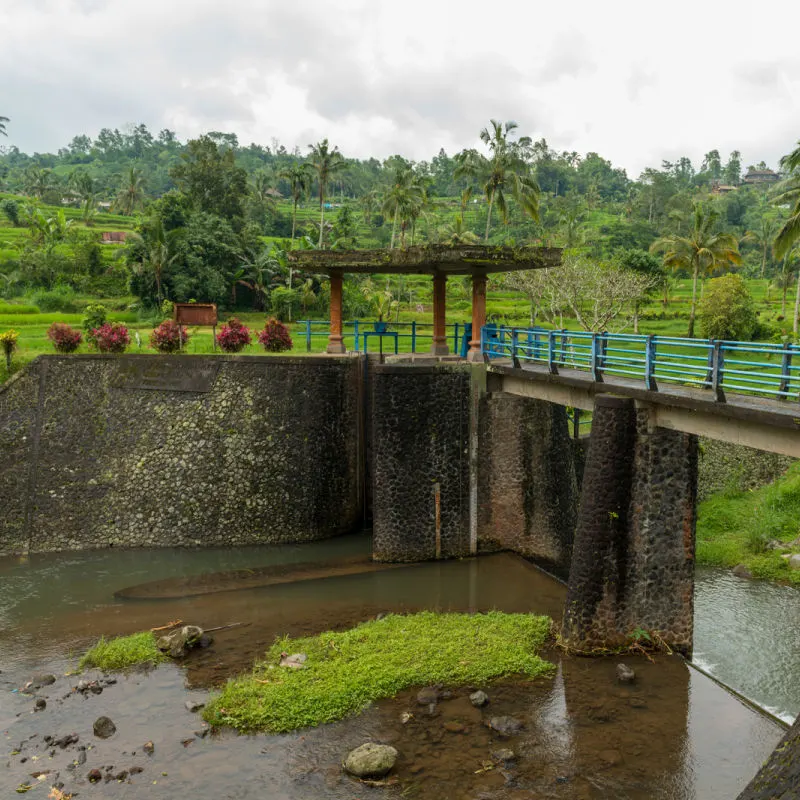
Bali’s economy is heavily reliant on agriculture and tourism, both of which depend on a stable water supply. The discovery of new underground water sources could significantly enhance irrigation systems, ensuring more consistent crop yields and reducing dependency on seasonal rainfall. For farmers, this means greater resilience against droughts and climate variability. Additionally, the tourism sector, which attracts millions of visitors annually, could benefit from improved water infrastructure, supporting the maintenance of hotels, resorts, and public facilities.
Environmental Considerations and Sustainability
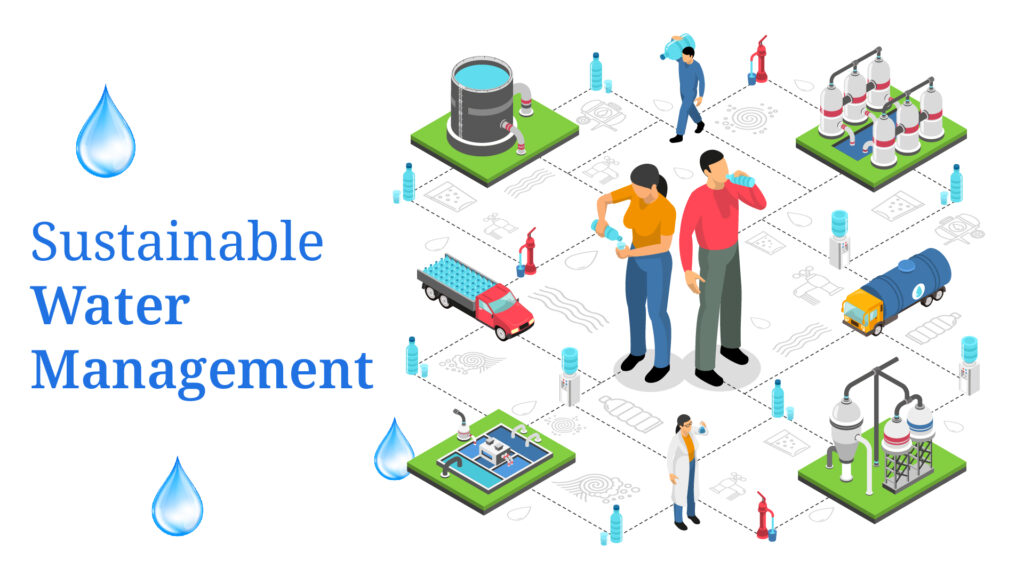
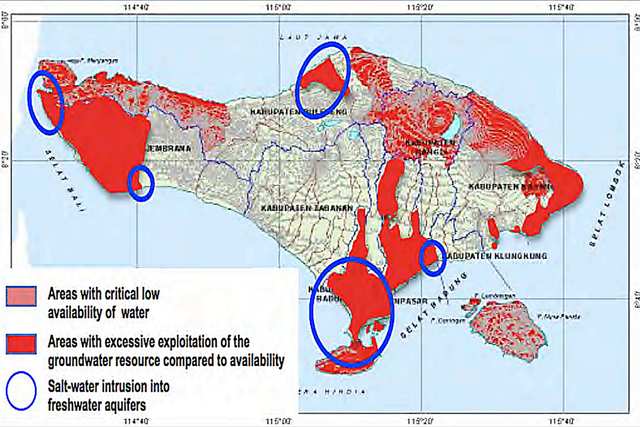
While the discovery of underground water is promising, it also raises important environmental concerns. Over-extraction of groundwater can lead to land subsidence, saltwater intrusion, and depletion of natural reserves. To address these challenges, experts emphasize the need for sustainable management practices, including monitoring water levels, implementing controlled extraction rates, and promoting water recycling. In Bali, local authorities are working with scientists to develop policies that balance economic growth with environmental protection.
Community Engagement and Local Knowledge

The success of underground water detection in Bali has also highlighted the importance of integrating local knowledge with scientific research. Indigenous communities in Bali have long understood the island’s water systems through traditional practices and oral histories. By combining this wisdom with modern technology, researchers can gain a more comprehensive understanding of water distribution and usage patterns. This collaborative approach not only enhances the accuracy of findings but also fosters trust and cooperation between scientists and local residents.
Future Prospects and Global Relevance

The findings from Bali’s underground water detection project have broader implications for regions facing similar water scarcity issues. As climate change continues to impact global water availability, the techniques used in Bali could serve as a model for other areas seeking to locate and manage hidden water resources. International organizations and environmental agencies are already showing interest in replicating these methods in other parts of the world, particularly in arid and semi-arid regions.
Challenges and Ongoing Research
Despite the progress made, there are still challenges to overcome in the field of underground water detection. One of the main obstacles is the high cost of advanced geophysical equipment and the technical expertise required to operate it. Additionally, interpreting the data collected from these surveys can be complex, requiring specialized training and software. Researchers in Bali are addressing these issues by investing in education and training programs, ensuring that local scientists and engineers can continue to contribute to future discoveries.
Conclusion

The discovery of underground water in Bali represents a significant milestone in the understanding of the island’s natural resources. By leveraging cutting-edge technology and incorporating traditional knowledge, scientists have uncovered hidden aquifers that could support agriculture, tourism, and sustainable development. However, the key to long-term success lies in responsible management and ongoing research. As the world faces increasing water challenges, the lessons learned from Bali’s underground water detection efforts offer valuable insights for communities around the globe.
RELATED POSTS
View all


Understanding CPT vs. SPT: Which Soil Test Does Your Denpasar Project Need?
Januari 18, 2026 | by Admin
Building a Villa in Bali 2026 The Ultimate Guide to Luxury Living in the Island of the Gods
Juni 11, 2026 | by Admin