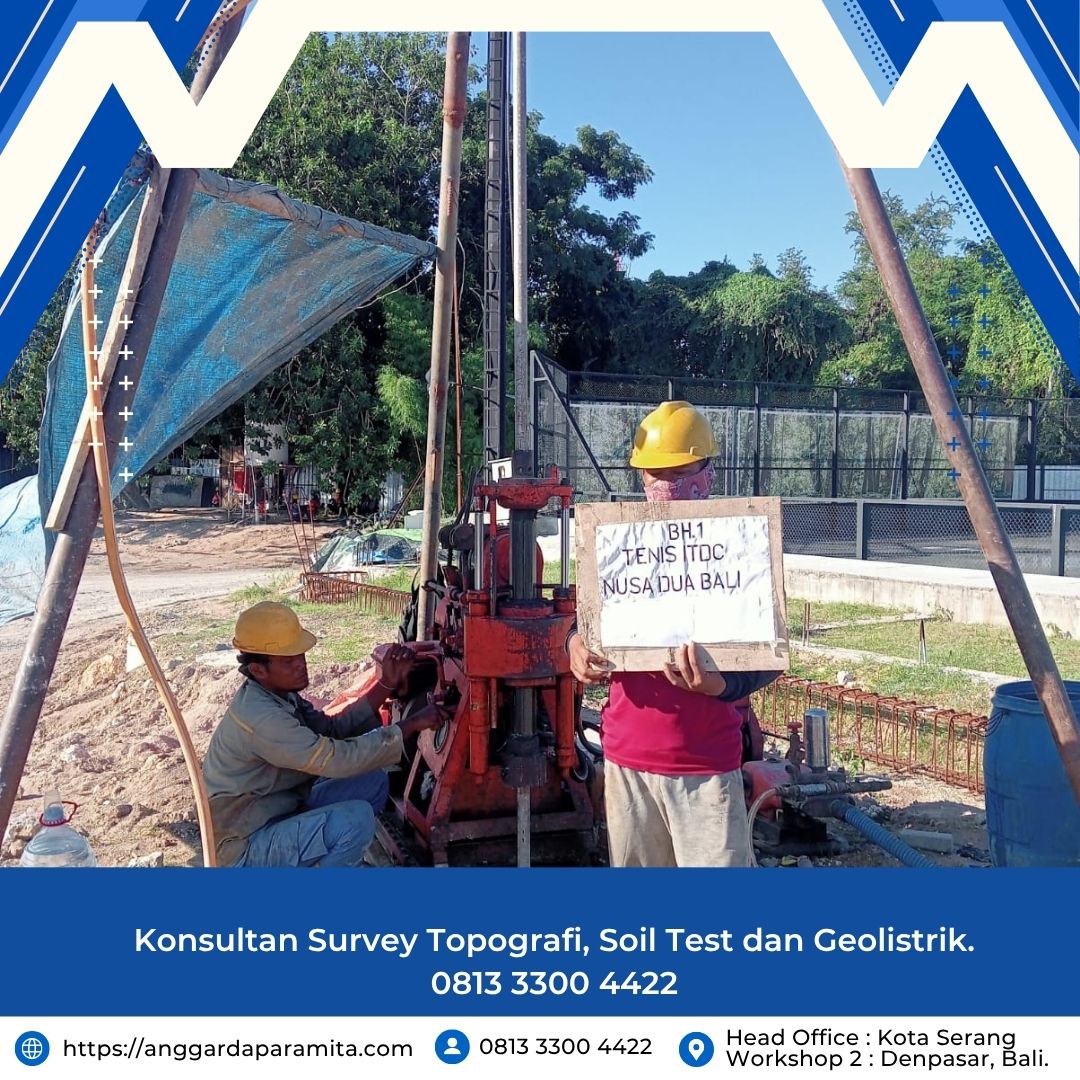
Soil Investigation for Villa Bali Ensures Safe and Sustainable Construction Practices
Mei 4, 2026 | by Admin
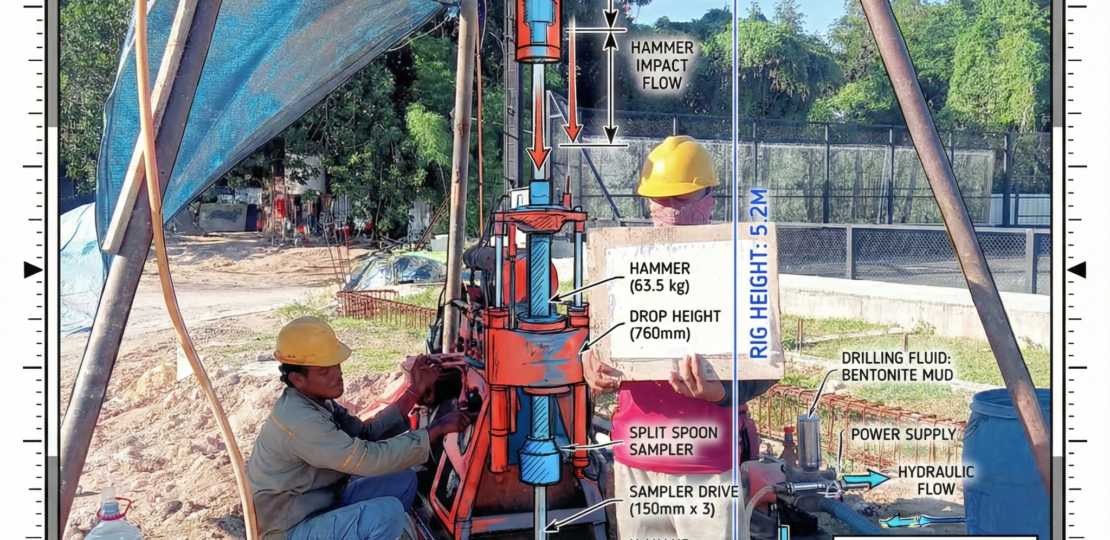
Soil investigation is a critical step in the construction of any property, particularly for villas in Bali where the terrain and environmental conditions can significantly impact structural integrity. Understanding the composition and characteristics of the soil before beginning construction ensures that the foundation is strong enough to support the building and withstand local weather patterns, seismic activity, and other natural forces. This process not only enhances safety but also promotes sustainable development by minimizing the risk of long-term damage and reducing the need for costly repairs or renovations.
Importance of Soil Investigation in Bali
Bali’s diverse landscape includes areas with volcanic soil, sandy beaches, and mountainous regions, each presenting unique challenges for construction. Volcanic soil, for example, can be rich in minerals but may have varying levels of moisture retention and stability. In contrast, coastal regions often have sandy or clayey soils that may require additional reinforcement to prevent erosion or subsidence. By conducting a thorough soil investigation, engineers and architects can identify these variations and design structures that are both safe and environmentally friendly. This is especially important in Bali, where the demand for luxury villas continues to grow, and developers must balance modern aesthetics with traditional building practices.
Methods Used in Soil Investigation
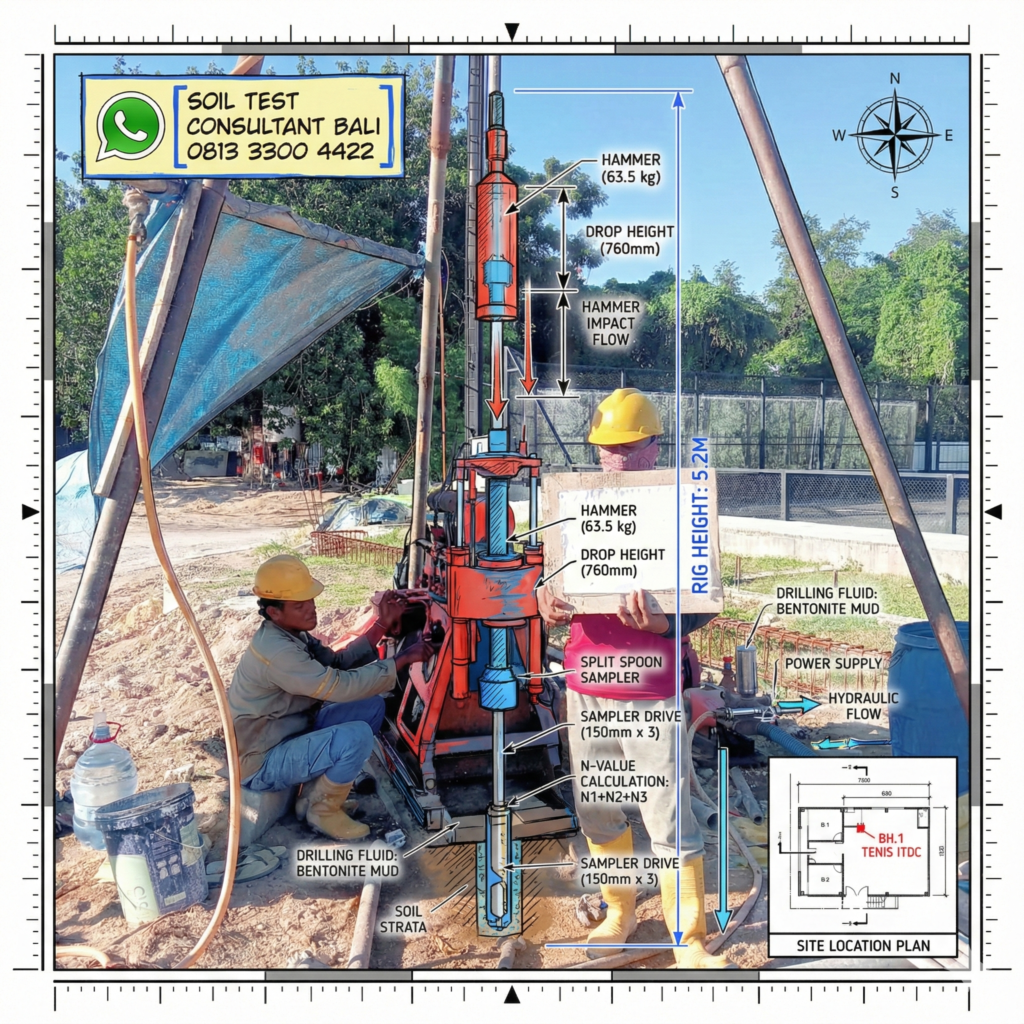
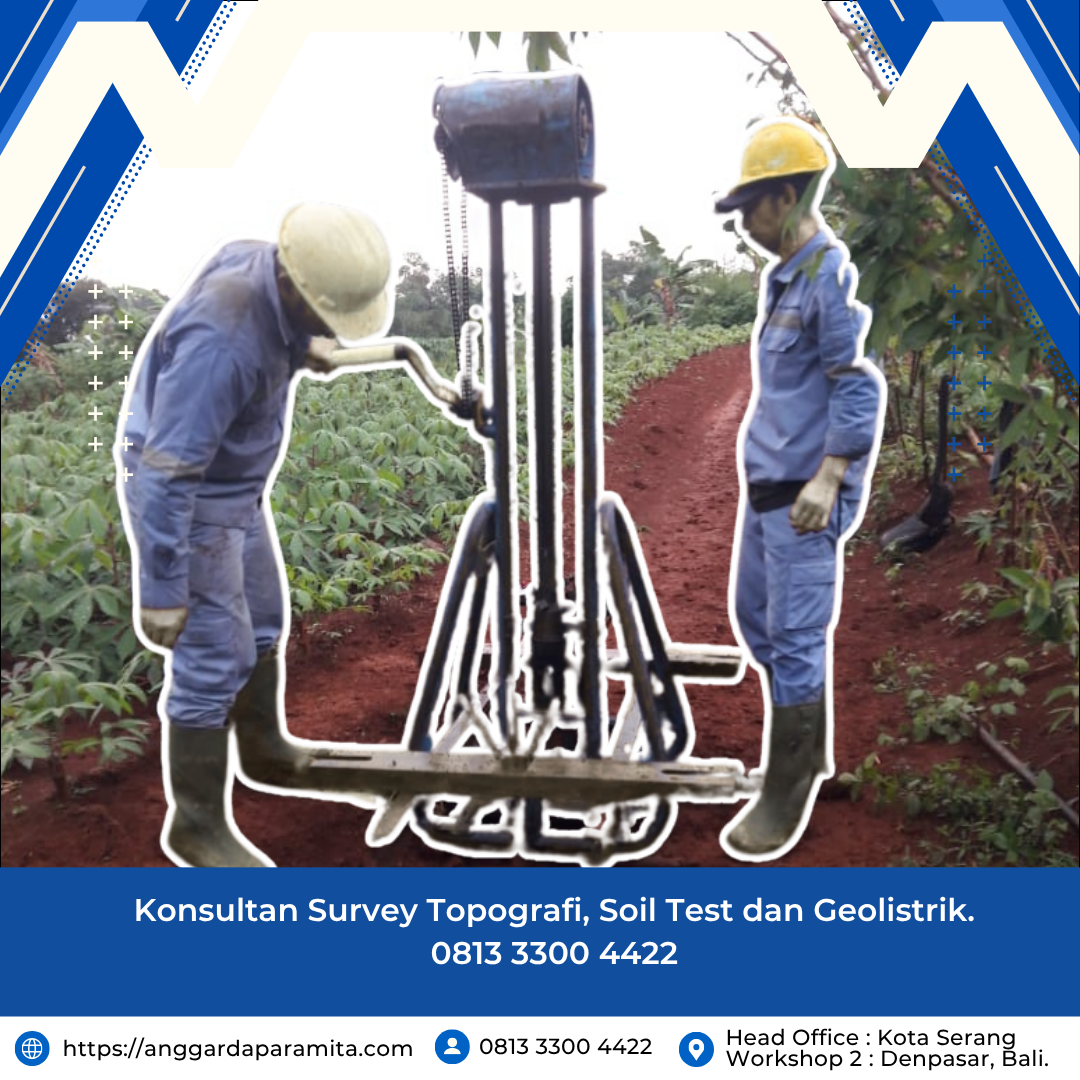
There are several methods used to assess the condition of the soil before construction begins. One of the most common techniques is the borehole test, where samples are extracted from different depths to analyze their composition, density, and moisture content. These samples are then tested in laboratories to determine their load-bearing capacity and suitability for supporting heavy structures. Another method involves using geophysical surveys, which use tools like ground-penetrating radar or electrical resistivity to map the subsurface layers without invasive drilling. This approach is particularly useful in areas where excavation might disturb the natural environment or cultural heritage sites.
In addition to these technical methods, visual inspections and historical data analysis play a role in understanding the soil’s behavior over time. For instance, examining previous construction projects in the area can provide insights into how the soil has performed under similar conditions. This information helps in making informed decisions about foundation design, drainage systems, and other essential elements of the villa’s structure.
Challenges in Conducting Soil Investigations in Bali
Despite the benefits of soil investigation, there are several challenges that professionals face when working in Bali. One of the main obstacles is the island’s complex geological makeup, which can vary significantly even within small areas. This requires careful planning and coordination between geologists, engineers, and local authorities to ensure that the investigation covers all relevant factors. Another challenge is the presence of protected natural reserves and cultural sites, which may limit access to certain locations or require special permits for testing.
Additionally, the tropical climate of Bali can affect the accuracy of soil tests. High humidity and frequent rainfall can alter the moisture content of the soil, making it difficult to obtain consistent results. To mitigate this, investigations are often conducted during dry seasons or with the use of advanced equipment that can account for environmental variables. These efforts help ensure that the data collected is reliable and representative of the actual conditions the villa will face.
Benefits of Sustainable Construction Practices
Incorporating the findings from soil investigations into the construction process leads to more sustainable building practices. By selecting materials and techniques that align with the soil’s properties, developers can reduce the environmental impact of their projects. For example, using locally sourced materials that are compatible with the soil type can lower transportation costs and carbon emissions. Additionally, designing foundations that minimize disruption to the surrounding ecosystem helps preserve Bali’s natural beauty and biodiversity.
Sustainable construction also extends to water management and energy efficiency. Proper soil analysis allows for the implementation of effective drainage systems that prevent waterlogging and soil erosion. Furthermore, understanding the thermal properties of the soil can guide the placement of the villa to optimize natural ventilation and reduce reliance on artificial cooling systems. These strategies not only enhance the comfort of the residents but also contribute to long-term cost savings and environmental preservation.
Conclusion
Soil investigation is an indispensable part of the construction process for villas in Bali. It provides valuable insights into the land’s characteristics, enabling engineers and architects to create structures that are safe, durable, and environmentally responsible. As the demand for luxury homes in Bali continues to rise, the importance of this practice cannot be overstated. By investing in thorough soil assessments, developers can ensure that their projects meet the highest standards of quality while respecting the unique landscape and culture of the island. Ultimately, this approach fosters a balance between modern development and the preservation of Bali’s natural and cultural heritage.
RELATED POSTS
View all

Investigasi Tanah Bali: Pentingnya Pemetaan dan Analisis Tanah untuk Pengembangan Wilayah
April 7, 2026 | by Admin