

Deep Well Survey Bali Services for Accurate Water Resource Management
Mei 4, 2026 | by Admin

Deep Well Survey Bali Services for Accurate Water Resource Management is a critical service that ensures the sustainable use of water resources in one of Indonesia’s most popular tourist destinations. With its unique geographical features and increasing demand for freshwater, Bali faces significant challenges in maintaining a reliable water supply. The implementation of deep well survey services has become essential to address these issues effectively. These services involve the systematic assessment of underground water sources to determine their depth, quality, and potential yield. By utilizing advanced geophysical techniques and hydrological analysis, professionals can provide accurate data that informs decision-making processes related to water extraction and conservation. This approach not only helps in identifying new water sources but also prevents overexploitation of existing ones, ensuring long-term availability for both residents and visitors.
The Importance of Deep Well Surveys in Bali
Bali’s water resource management is a complex task due to its diverse landscape, which includes volcanic terrain, coastal areas, and agricultural zones. The island relies heavily on groundwater as a primary source of water, especially during dry seasons when surface water sources may be insufficient. However, the overuse of groundwater has led to declining water tables and increased salinity in some regions. Deep well surveys play a crucial role in mitigating these challenges by providing detailed information about the subsurface water reserves. This data allows authorities and stakeholders to develop strategies that balance water usage with environmental sustainability. Additionally, deep well surveys help in identifying areas where water contamination might occur, enabling proactive measures to protect public health and natural ecosystems.
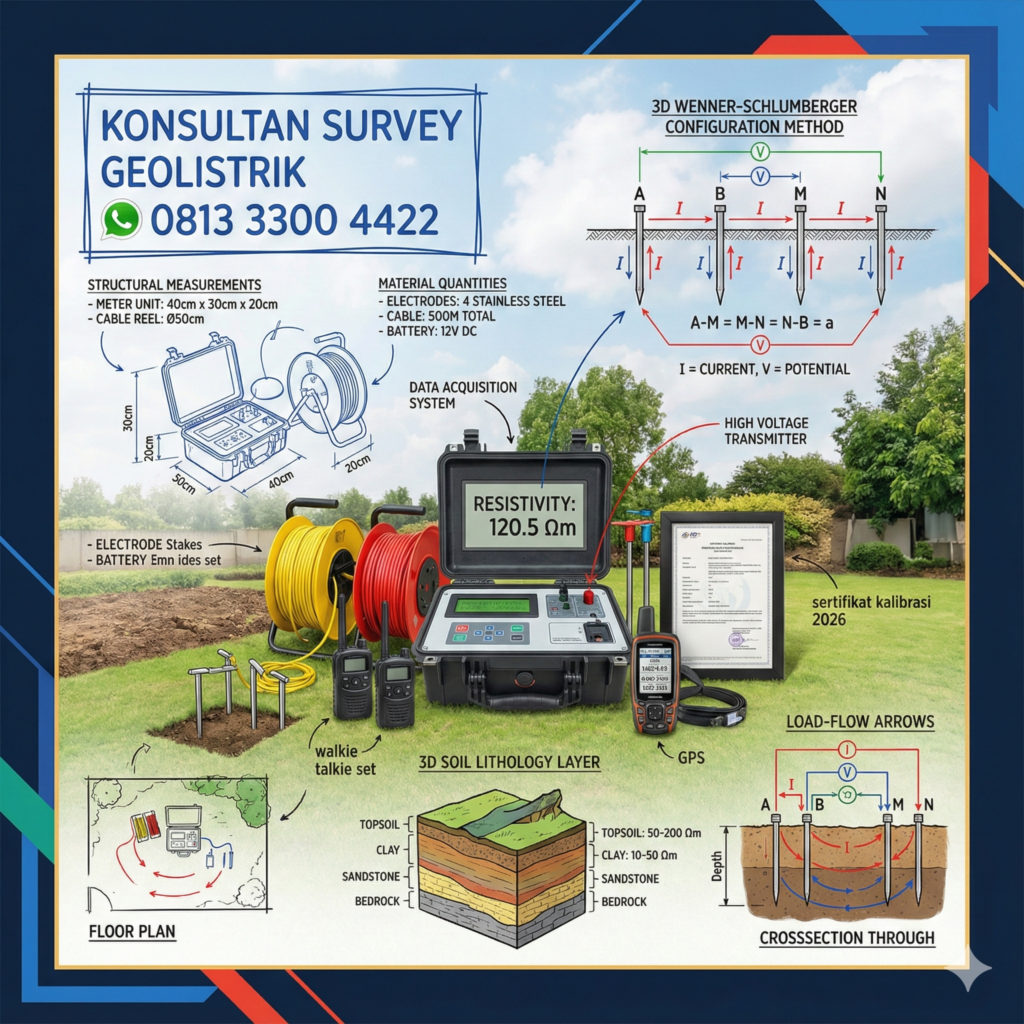
Technologies Used in Deep Well Surveys
Modern deep well survey services in Bali utilize a range of advanced technologies to ensure accurate and reliable results. One of the most common methods is the use of geophysical surveys, which involve measuring the physical properties of the earth’s subsurface to detect water-bearing layers. Techniques such as electrical resistivity tomography (ERT) and seismic refraction are employed to create detailed maps of underground water sources. These tools allow experts to identify aquifers and estimate their capacity without the need for drilling. Another important technology is the use of hydrological modeling, which simulates the movement of water through the ground and predicts how different extraction rates will affect the overall water table. These technological advancements have significantly improved the efficiency and accuracy of deep well surveys, making them an indispensable tool for water resource management.
Benefits of Professional Deep Well Survey Services
Engaging professional deep well survey services offers numerous benefits for both individuals and organizations in Bali. For farmers, these services can help identify optimal locations for irrigation wells, ensuring a consistent water supply for crops while minimizing the risk of over-pumping. For urban developers, deep well surveys provide valuable insights into the feasibility of constructing new residential or commercial projects without compromising local water resources. Additionally, government agencies and environmental organizations rely on these services to monitor groundwater levels and implement policies that promote sustainable water use. By investing in professional deep well surveys, stakeholders can make informed decisions that support economic growth while protecting Bali’s natural environment.
Challenges and Solutions in Implementing Deep Well Surveys
Despite the many advantages of deep well surveys, there are several challenges that must be addressed to ensure their effectiveness. One of the main obstacles is the high cost of advanced geophysical equipment and the expertise required to operate it. This can be a barrier for small-scale farmers or local communities who may not have access to sufficient funding. To overcome this challenge, collaboration between government agencies, private companies, and international organizations can help provide financial support and technical training. Another issue is the lack of awareness among the general population about the importance of proper water resource management. Educating communities on the benefits of deep well surveys and involving them in the planning process can lead to greater acceptance and long-term success.
Future Prospects of Deep Well Survey Services in Bali
As Bali continues to grow as a global tourism destination, the demand for reliable water resources will only increase. This presents both opportunities and challenges for the future of deep well survey services. On one hand, advancements in technology and increased investment in water management infrastructure could lead to more efficient and widespread use of deep well surveys. On the other hand, the pressure to meet growing water demands may result in unsustainable practices if not properly regulated. To ensure a balanced approach, it is essential to integrate deep well survey data into broader water resource management plans that prioritize environmental protection and community well-being. By adopting a forward-thinking strategy, Bali can continue to thrive as a sustainable and resilient destination for generations to come.
RELATED POSTS
View all


Teknologi dan SDM Profesional : Kombinasi Sempurna untuk Survey yang Akurat dan Efisien
November 5, 2025 | by Admin
5 Kesalahan Umum dalam Survei Tanah yang Bisa Dihindari dengan Geolistrik
Februari 23, 2026 | by Admin
Jasa Geolistrik: Solusi Cerdas untuk Mencari Sumber Air Tanah
Agustus 30, 2026 | by Admin