

How Geotechnical Testing Services in Bali Enhance Structural Safety and Longevity
Januari 10, 2026 | by Admin
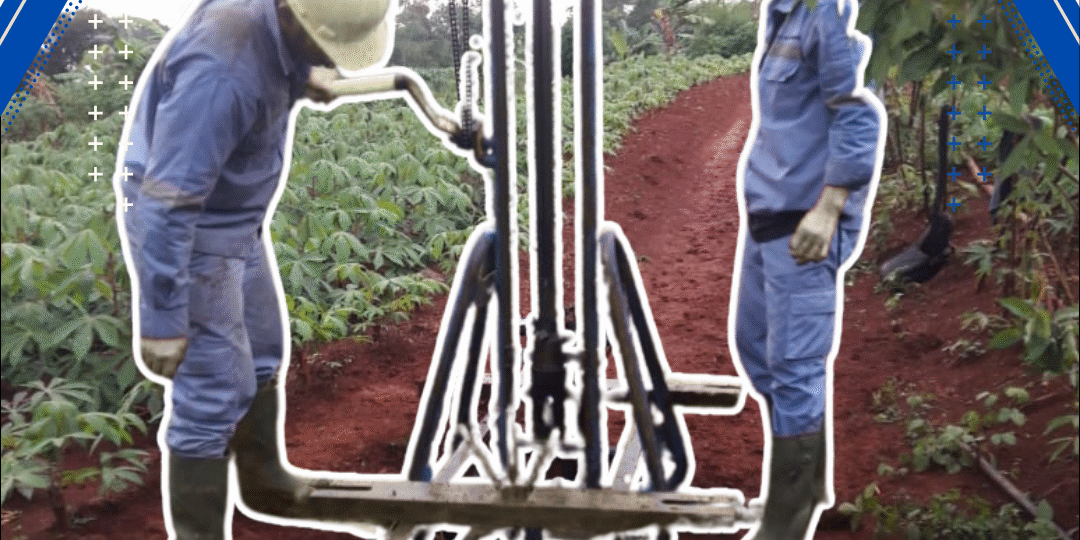
Bali, a tropical paradise known for its breathtaking landscapes and rich cultural heritage, presents unique challenges for the construction industry. The island’s location on the Pacific Ring of Fire makes it vulnerable to earthquakes and volcanic activity, while its tropical climate brings high humidity and heavy rainfall. These factors necessitate robust structural solutions that ensure both safety and longevity. In this context, geotechnical testing services play a vital role in understanding the ground conditions and designing structures that can withstand these environmental challenges.
Understanding the Role of Geotechnical Testing in Bali
Geotechnical testing involves the analysis of soil, rock, and other subsurface materials to determine their physical and mechanical properties. This process is crucial for assessing the stability of the ground and ensuring that buildings are constructed on a solid foundation. In Bali, where the terrain varies from volcanic soils to coastal sediments, accurate geotechnical data is essential for planning and executing construction projects safely.
Key Benefits of Geotechnical Testing
- Risk Assessment: Geotechnical testing helps identify potential risks such as landslides, soil erosion, and subsidence. This information allows engineers to design structures that mitigate these risks effectively.
- Material Selection: By analyzing the properties of the soil and rock, engineers can choose the most suitable materials for construction, ensuring that the building is both durable and cost-effective.
- Foundation Design: Geotechnical data informs the design of foundations, whether they are shallow or deep, ensuring that structures are built on a stable base.
- Compliance with Regulations: Many countries have strict building codes that require geotechnical assessments. In Bali, adherence to these regulations is critical for ensuring the safety of residents and visitors alike.
Enhancing Structural Safety Through Geotechnical Testing
In Bali, where natural disasters are a constant concern, geotechnical testing services contribute significantly to structural safety. By evaluating the load-bearing capacity of the ground, engineers can design foundations that can withstand seismic activity and other environmental stresses. For example, in areas prone to earthquakes, geotechnical testing may reveal the need for reinforced concrete foundations or pile foundations to distribute the load evenly and prevent structural failure.
Additionally, geotechnical testing helps in identifying the presence of weak soil layers that could compromise the integrity of a building. By addressing these issues early in the planning phase, construction companies can avoid costly repairs and ensure the long-term durability of their structures.
Promoting Durability and Longevity

Durability is a key consideration in any construction project, and geotechnical testing plays a significant role in achieving this. By understanding the properties of the ground, engineers can select materials that are resistant to weathering and corrosion. For instance, in coastal areas of Bali, where saltwater exposure is a concern, geotechnical testing can help determine the suitability of materials that can withstand the harsh marine environment.
Moreover, geotechnical testing supports the use of sustainable building practices by guiding the selection of locally sourced materials. In Bali, where traditional architecture often incorporates natural elements like bamboo and stone, geotechnical testing ensures that these materials are used effectively and safely. This not only enhances the aesthetic appeal of the structures but also promotes environmental sustainability.
Supporting Sustainable Development in Bali
As Bali continues to grow as a tourist destination, the demand for new infrastructure and buildings increases. However, this growth must be balanced with the need to preserve the island’s natural beauty and cultural heritage. Geotechnical testing services support this balance by providing the necessary data to inform sustainable development practices.
For example, geotechnical assessments can help identify areas where construction might disrupt local ecosystems or lead to soil degradation. By using this information, developers can plan their projects in a way that minimizes environmental impact and preserves the natural landscape.
Conclusion
Geotechnical testing services in Bali are essential for ensuring the structural safety and longevity of buildings. By providing critical insights into the ground conditions, these services enable engineers to design structures that can withstand the island’s unique environmental challenges. As Bali continues to evolve, the role of geotechnical testing will remain vital in promoting sustainable development and preserving the island’s natural and cultural heritage.
Through the integration of advanced geotechnical techniques and a commitment to sustainable practices, Bali can continue to thrive as a beautiful and resilient destination for generations to come.
RELATED POSTS
View all

Jasa Sondir di Bali: Pemilihan dan Manfaat untuk Proyek Konstruksi
Juli 21, 2026 | by Admin
Pengetesan Kekuatan Tanah : Pentingnya dalam Konstruksi dan Perencanaan Bangunan
Oktober 9, 2025 | by Admin

Konsultan CPT Sondir Tanah : Langkah Kecil yang Nentuin Fondasi Besar
September 26, 2025 | by Admin